
Letter Recognition by Age: When to Introduce Letters and Sounds
Curious about the best age to introduce letter recognition? While it varies for each child, most begin recognizing letters and connecting them to sounds between ages 2 and 5. Early literacy develops in stages, each with its own typical age range. Knowing when to start, and how to support it, can help you set realistic goals and make learning fun with engaging etter recognition activities.
This post explores key milestones in letter learning by age, so you can know exactly what is typical in letter learning and what is not. Plus, we’ll share fun and engaging ways to make learning letters exciting and enjoyable for young learners.

Understanding when to start letter recognition with preschoolers is an important part of early literacy planning. Many parents and teachers ask, “What age should a child know letters?” or “How can I teach letter recognition at home?” (We have posts that answer both those questions).
But, knowing what to expect at different ages can help you support your child without feeling rushed or frustrated. This post breaks down typical letter learning milestones by age and offers guidance on what’s considered developmentally appropriate.
You’ll also find a variety of simple, hands-on letter recognition activities for toddlers and preschoolers that help reinforce these skills in a fun, low-pressure way.
Read this: When Do Kids Learn Letters? Key Letter Recognition Milestones
What Is Letter Recognition and Why Is It Important?
Letter recognition is the ability to identify and name the letters of the alphabet, both uppercase and lowercase. It’s one of the earliest components of print awareness and plays a key role in early reading development.
Recognizing letters helps children make the connection between written symbols and spoken language. As they build alphabet letter recognition, they’re also laying the groundwork for phonics and word decoding. Children also have to make the connection between letter names and the sounds they represent.
Factors Influencing a Child’s Letter Recognition Development
- Exposure to Print: Regular exposure to printed materials, such as books, magazines, and signs, helps children recognize letters in different contexts.
- Language Exposure: A rich language environment, where children are exposed to diverse vocabulary and sentence structures, supports their understanding of letter-sound relationships.
- Cognitive Development: Cognitive skills, such as attention, memory, and problem-solving, play a significant role in letter recognition. As children’s cognitive abilities develop, they become better able to identify and process letter shapes and sounds.
Letter Recognition by Age
As children grow, they’ll develop the ability to identify and understand letters, building a strong foundation for reading and writing.
As a parent or an educator, it’s important to understand what is within a normal range when learning letters. It’s not helpful to push too much too soon, and it’s also detrimental to skim over possible signs of letter recognition problems.
Here’s a breakdown of what you can expect at different ages:
Two-Year-Olds – Showing Curiosity
At two years old, it’s developmentally appropriate for children to begin showing curiosity about letters without the expectation of formal recognition or mastery. At this age, learning should be very play-based. Read here about the differences in play-based and academic learning in preschool.
Typical Letter Recognition Skills for Two-Year-Olds:
- Recognizing a few letters, often those in their name.
- Distinguishing between some letters, though inconsistently.
- Recognizing some letters in environmental print (e.g., signs, labels).
Not Typical:
- Recognizing all letters of the alphabet.
Suggested Letter Activities for Toddlers:
- Letter puzzles and wooden blocks.
- Check out the stages of block play.
- Singing the ABC song with visual aids.
Read this: What to Expect with Letter Recognition at Age Two
Three-Year-Olds – Early Letter Awareness
Around age 3, kids might show greater interest in letter, especially those in their name, and can recognize some uppercase letters while singing the alphabet song. They also begin to understand the difference between letters and numbers as distinct symbols that carry meaning. However, they might not connect all of the letters in the song to letters in print yet.
By age 3, about 20% of children can recognize a few letters, often starting with the first letter of their name.
Typical Letter Recognition Skills for Three-Year-Olds:
- Recognizing letters with visual cues (e.g., pictures).
- Beginning to match uppercase and lowercase letters.
Not Typical:
- Recognizing all letters of the alphabet.
- Writing letters without assistance.
Suggested Alphabet Activities for three-Year-Olds:
- Alphabet books and letter-learning games.
- Incorporating letters into daily conversations and play.
Read this: Letter Recognition for Three-Year-Olds: What’s Typical and What’s Not
Four-Year-Olds – Developing Letter Knowledge
At four years old, many children can recognize most uppercase letters and some lowercase ones, and they might begin associating letters with the sounds they make. They may also start trying to write a few letters, often those in their own name, though precise formation isn’t expected yet.
By age 4, approximately 60% of children know more than half of the uppercase letters and five to ten lowercase ones.
Typical Letter Recognition Skills for Four-Year-Olds:
- Recognizing most letters, especially uppercase.
- Starting to understand the sound-letter connection.
Not Typical:
- Decoding or reading independently.
Suggested Letter Recognition Activities for Preschoolers:
- Interactive games like letter scavenger hunts.
- Tracing letters with fingers or crayons.
Read this: What Letter Recognition Should Look Like at Age Four (and How to Teach It)
Five-Year-Olds – Mastering the Alphabet
In pre-k and kindergarten, children are expected to master the alphabet, especially letter recognition and the most common letter sounds.
Typical Letter Recognition Skills for Five-Year-Olds:
- Recognizing all uppercase and most lowercase letters.
- Associating letters with sounds more consistently.
- Near mastery of letter sound recognition.
- Writing many letters, though sizing may be off and letters may be reversed.
Not Typical:
- Recognizing letters in complex words without instruction.
Suggested Letter Activities for Kindergarten:
- Phonics activities and simple word formation games.
- Practicing writing letters on lined paper or chalkboards.
Read this: Kindergarten Letter Recognition Activities That Build Strong Readers
Every child develops at their own pace. The most important thing is to make learning fun and engaging. With lots of love, patience, and plenty of playful activities, your child will be well on their way to becoming a confident reader and writer.
When to Worry About Your Child’s Letter Recognition Skills
While it’s natural for children to develop at their own pace, it’s important to be mindful of any significant delays or concerns.
Here are some signs that might indicate a need for further evaluation:
- Persistent Difficulty: If your child consistently struggles to recognize letters, even with consistent exposure and (daily) practice.
- Avoidance of Letter-Related Activities: If your child seems disinterested or avoids activities involving letters and words.
- Significant Delays: If your child is significantly behind their peers in terms of letter recognition and other early literacy skills.
- Underlying Conditions: If your child has underlying conditions, such as developmental delays or sensory processing disorders, that may impact their learning.
If you notice any of these signs, it’s best to consult with a pediatrician or early childhood specialist. Early intervention in letter recognition can make a significant difference in addressing any underlying issues and helping your child reach their full potential.
Read this article about when to worry about your child’s cognitive development for more insight.
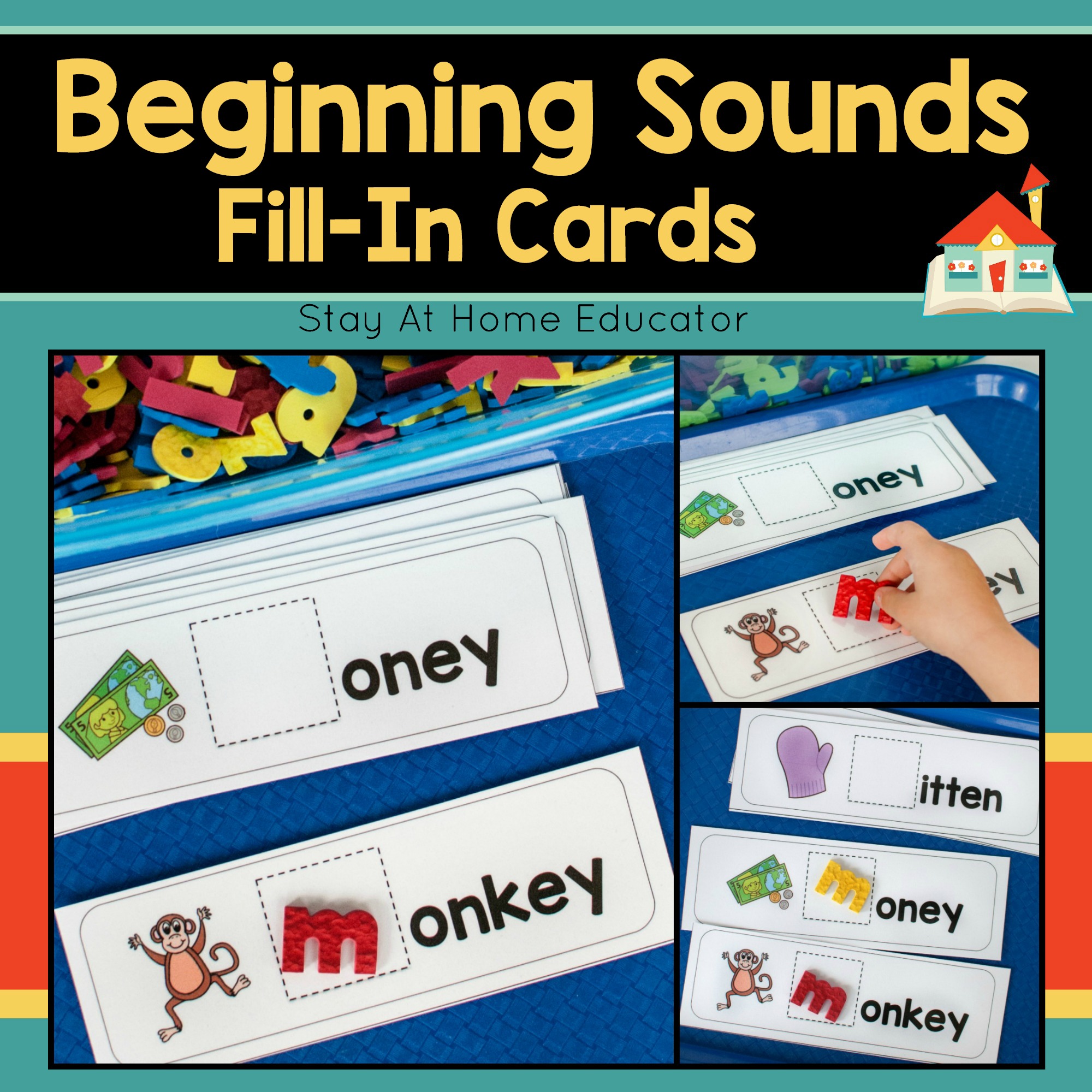
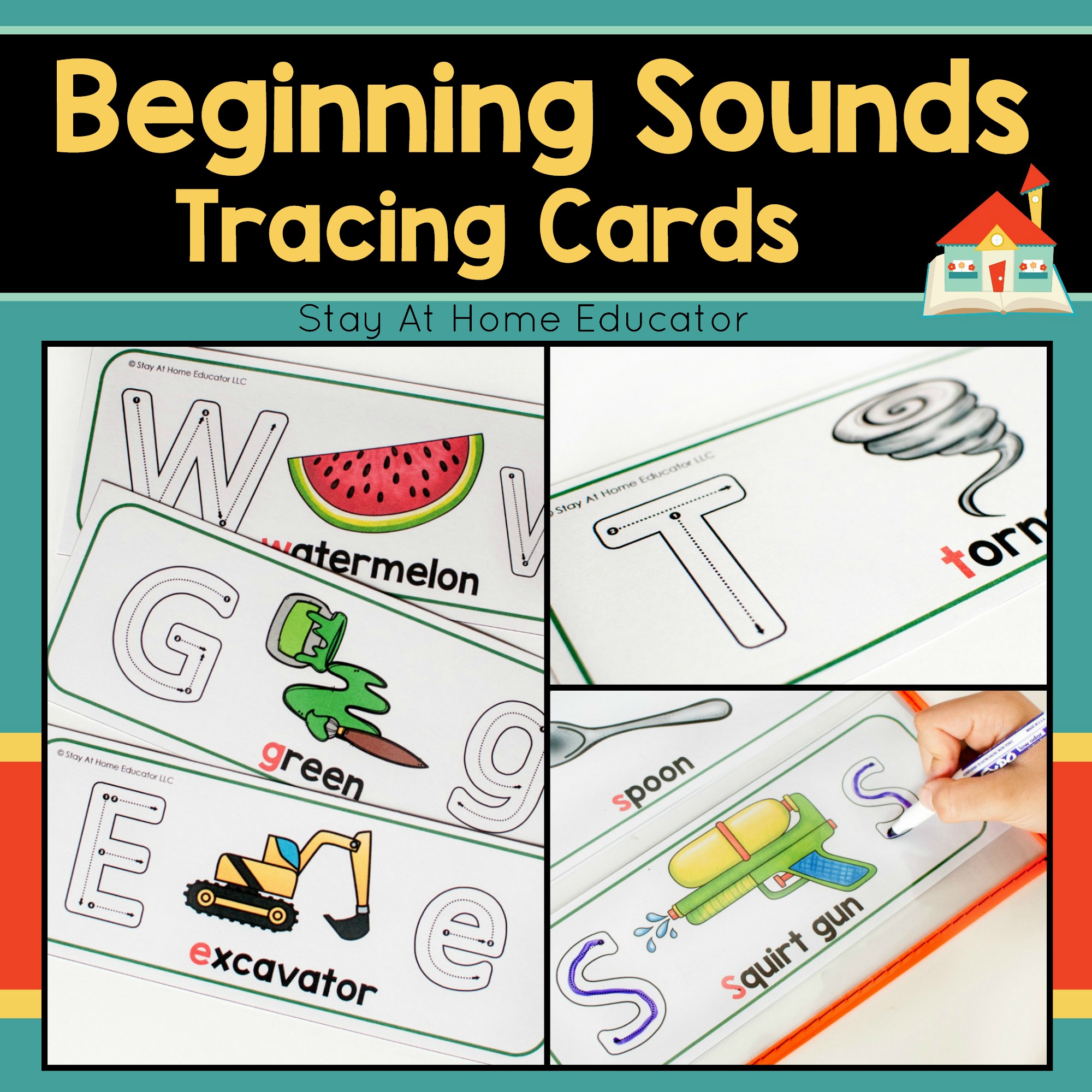
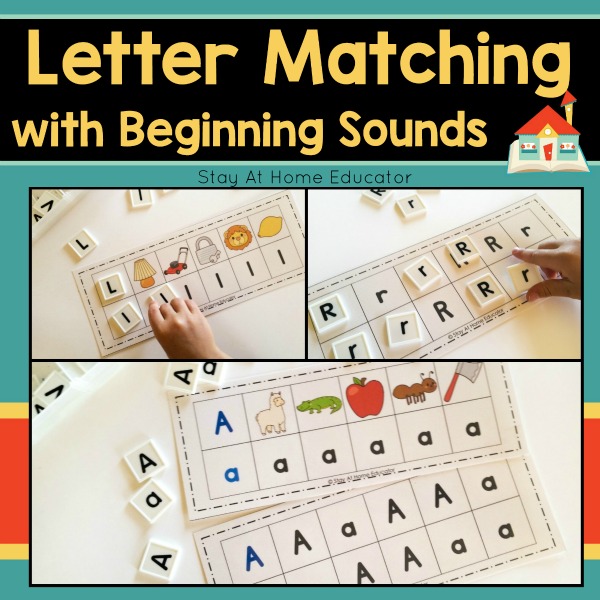
Shop our Letter Recognition Printable Activities
Engaging, hands-on printables to help kids identify and remember letters.
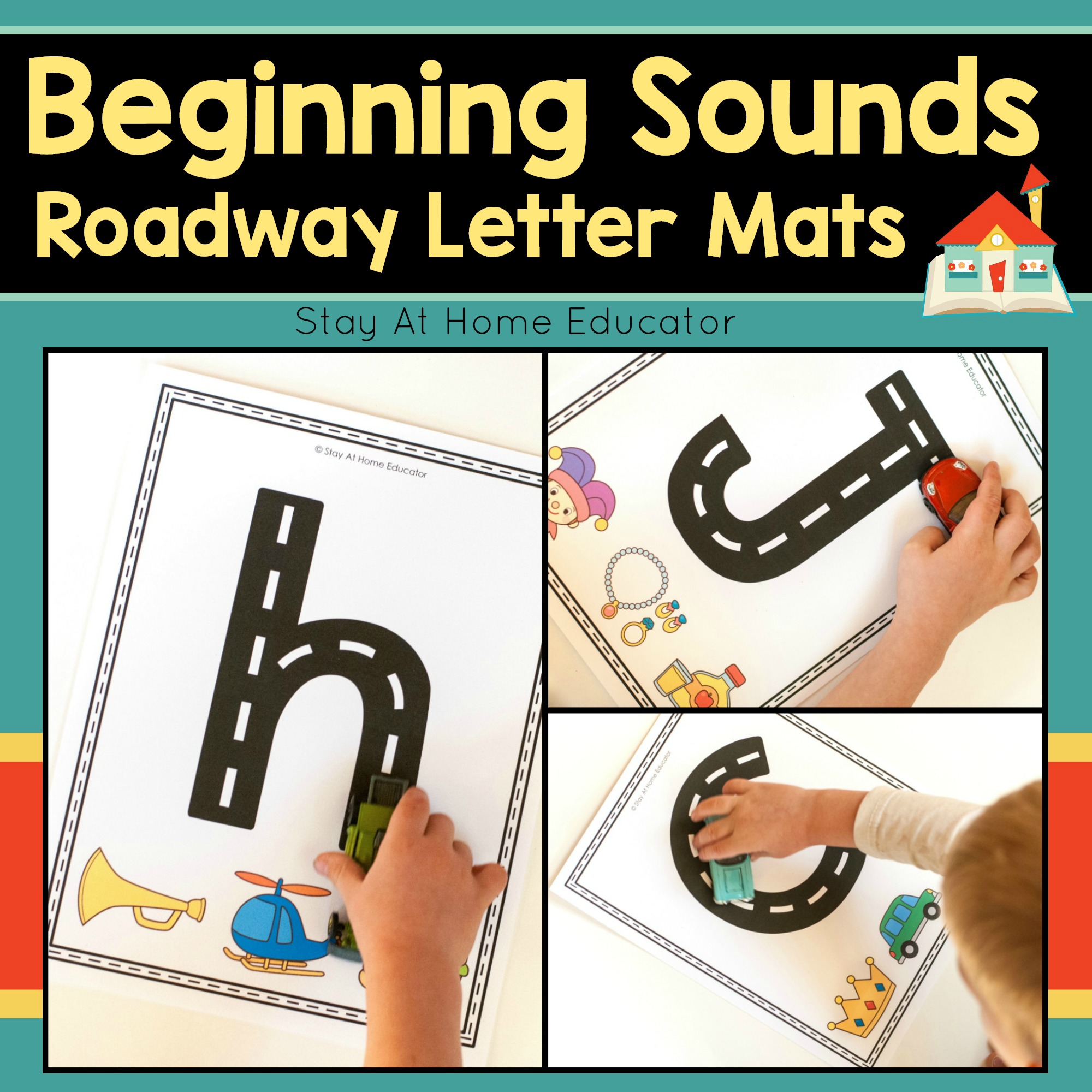
Shop our Letter Formation Printables
Fun, engaging practice mats that promote proper letter formation.
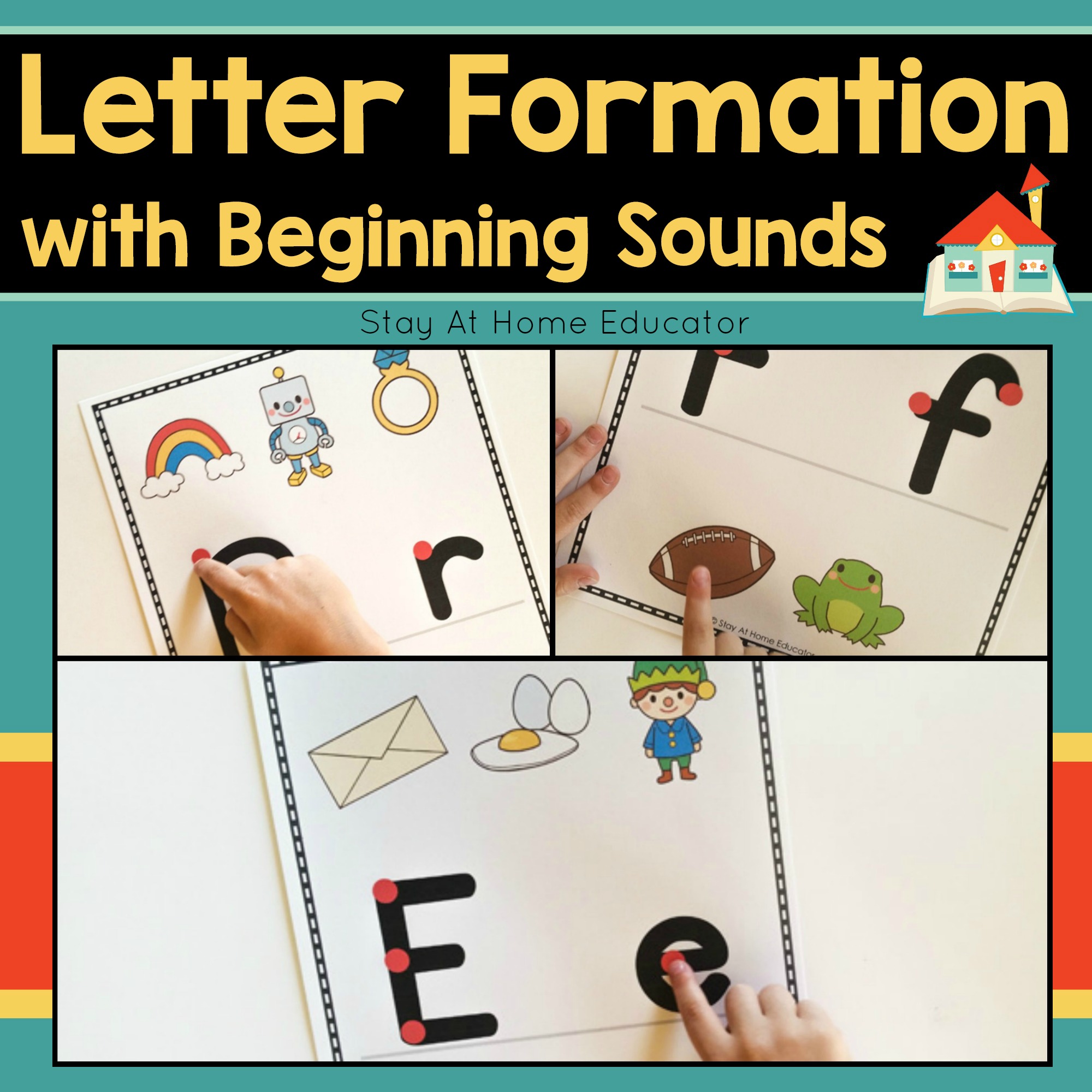
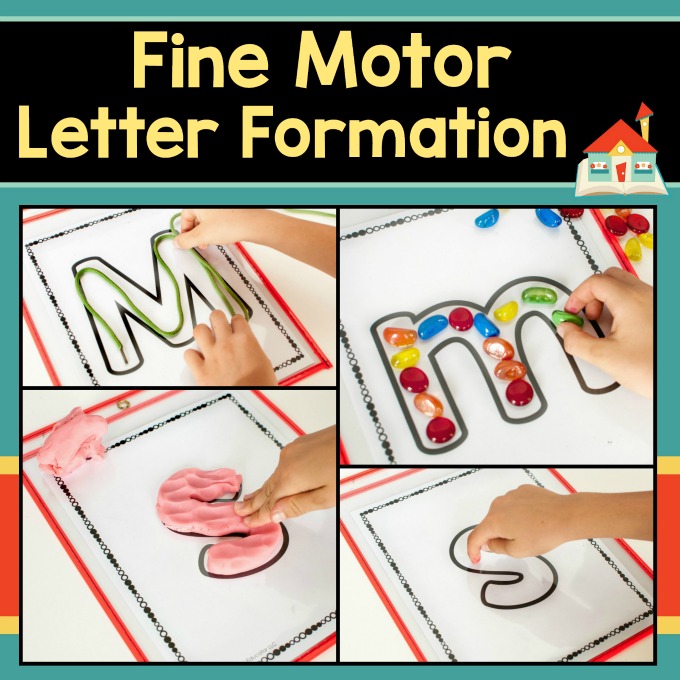
By understanding the typical milestones of letter recognition by age, parents and educators can provide appropriate support and activities to foster children’s literacy development. Remember, the key is to create a fun and engaging learning environment that encourages exploration and discovery.
How to Teach Letter Recognition
Teaching letter recognition is a simple and important part of early learning. Begin by focusing on letter names, shapes, and sounds, then build on that with fun, hands-on activities like songs, games, and crafts. With regular practice, kids quickly become familiar with the alphabet in a way that feels easy and natural.
- How to Teach Kids Letter Recognition
- Letter Recognition for Toddlers
- Strategies for Teaching Alphabet Recognition

I’m Sarah, an educator turned stay-at-home-mama of five! I’m the owner and creator of Stay At Home Educator, a website about intentional teaching and purposeful learning in the early childhood years. I’ve taught a range of levels, from preschool to college and a little bit of everything in between. Right now my focus is teaching my children and running a preschool from my home. Credentials include: Bachelors in Art, Masters in Curriculum and Instruction.


