
Fun Ways to Teach Letter Recognition (That Actually Work, Too)
If you’re searching for fun ways to teach letter recognition, chances are you’ve already discovered that flashcards or worksheets only get you so far, especially with preschoolers. Some children pick up letters quickly, while others seem to forget them just as fast. That doesn’t mean they aren’t ready to learn. More often, it means the approach doesn’t match how young children actually develop.
Letter recognition is a foundational early literacy skill, but it works best when it’s taught intentionally and playfully. Preschoolers learn letters through movement, hands-on exploration, conversation, and meaningful repetition, and not isolated drills that hold little meaning.
That’s why this post focuses on letter recognition activities that will fit right into your preschool day and feel natural. These activities you can use in classrooms, homeschool settings, small groups, or one-on-one support without forcing children to sit still or perform on demand.
Activities You’ll Find Here
In this post, you’ll find a variety of letter recognition activities for preschoolers that support different learning styles and developmental needs, including:
- Letter recognition games that use movement and play
- Sensory activities that help letters “stick” through hands-on exploration
- Low-pressure ways to practice writing letters
- Simple online letter recognition games for intentional screen time
Each activity is designed to build familiarity with letters through repetition and meaningful engagement.
How These Activities Fit Into a Preschool Literacy System
While individual activities are helpful, letter recognition is most effective when it’s taught as part of a clear, intentional system rather than random practice.
My Daily Lessons in Preschool Literacy Curriculum provides that structure. It shows you when to introduce letters, how long to practice them, and how to build letter recognition alongside phonological awareness, oral language development, and early phonics. So these activities aren’t just fun extras, but part of a purposeful progression.
Instead of guessing what to teach next, you’re following a plan that supports real literacy growth over time.

Why Letter Recognition Can Be Tricky for Preschoolers
Letter recognition involves more than the ability to visually identify and name a letter. It includes several interconnected foundational skills:
- Beginning letter–sound correspondence
- Visual discrimination (noticing differences in letter shapes)
- Letter naming
- Early letter writing
For three- and four-year-old children, developing these skills concurrently can be challenging, particularly when instruction relies heavily on worksheets or flashcards. When letter learning is presented in abstract or decontextualized ways, many preschoolers disengage.
In contrast, learning experiences that incorporate play, movement, and sensory exploration tend to sustain engagement and support stronger retention. For this reason, play-based approaches to letter recognition are not merely enrichment activities; they are often among the most effective instructional methods in early childhood education. This is especially true when used within a systematic program.
Fun Letter Recognition Activities for Preschoolers
Some children learn best when their bodies are involved. These games build letter recognition through movement, interaction, and repetition—without pressure.
Here are some fun letter recognition games specifically designed for preschoolers:
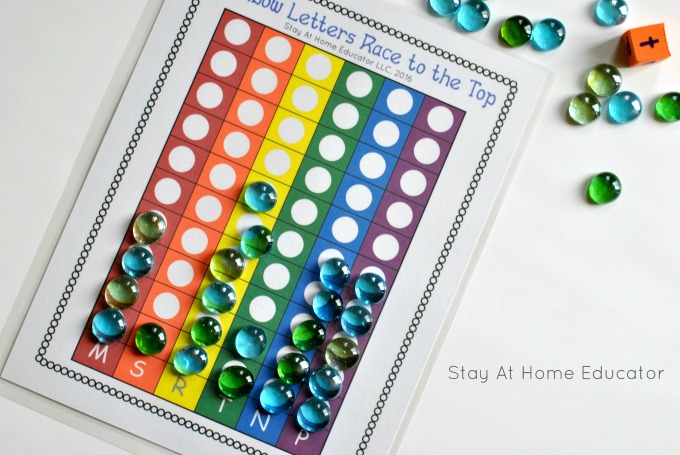
Rainbow Letters Race to the Top
This printable game uses a simple board and dice to give children repeated exposure to letters in a low-stress way. What makes it work:
- Built-in repetition
- Turn-taking (great for social skills)
- Visual scanning across the board
It’s especially helpful for children who freeze when asked to “name the letter” in isolation.
Read it here: Rainbow Letters Race to the Top
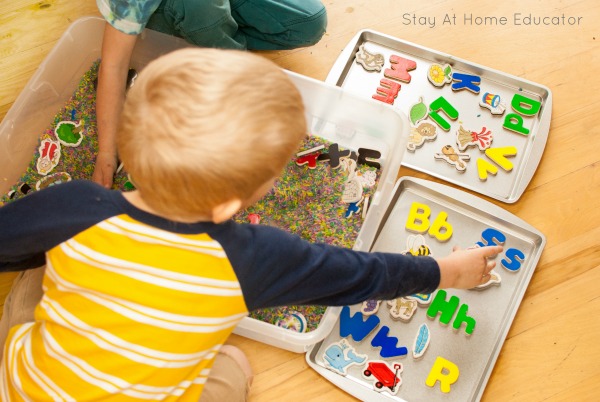
Alphabet Sensory Bin with Beginning Sounds
Sensory bins slow children down—in a good way.
Fill a bin with sand, rice, or beans. Hide letter cards, plastic letters, or objects labeled with letters. As children dig and scoop, they naturally encounter letters over and over again. This works well because:
- Sensory input supports memory
- Children stay engaged longer
- Letters aren’t the only focus, which reduces pressure
You can easily adapt this for beginning sounds by pairing letters with small objects.
Read it here: Alphabet Sensory Bin
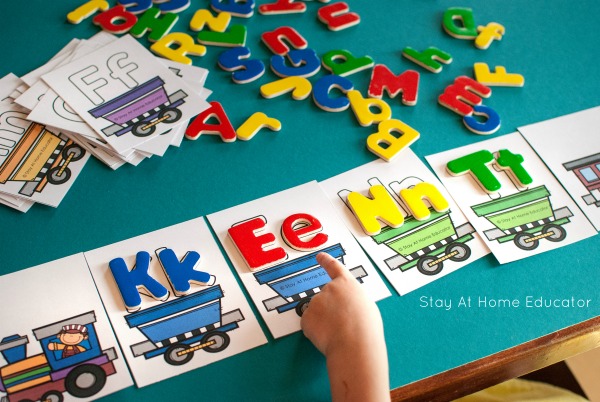
Alphabet Train Letter Recognition Game
This activity is deceptively simple.
Children build a train by connecting letters in order—or by matching letters to a model. Because it feels like construction play, children often practice longer than they would with traditional materials. It’s a great choice for:
- Cooperative play
- Small groups
- Children who like hands-on building
Read it here: Alphabet Train Letter Recognition Game
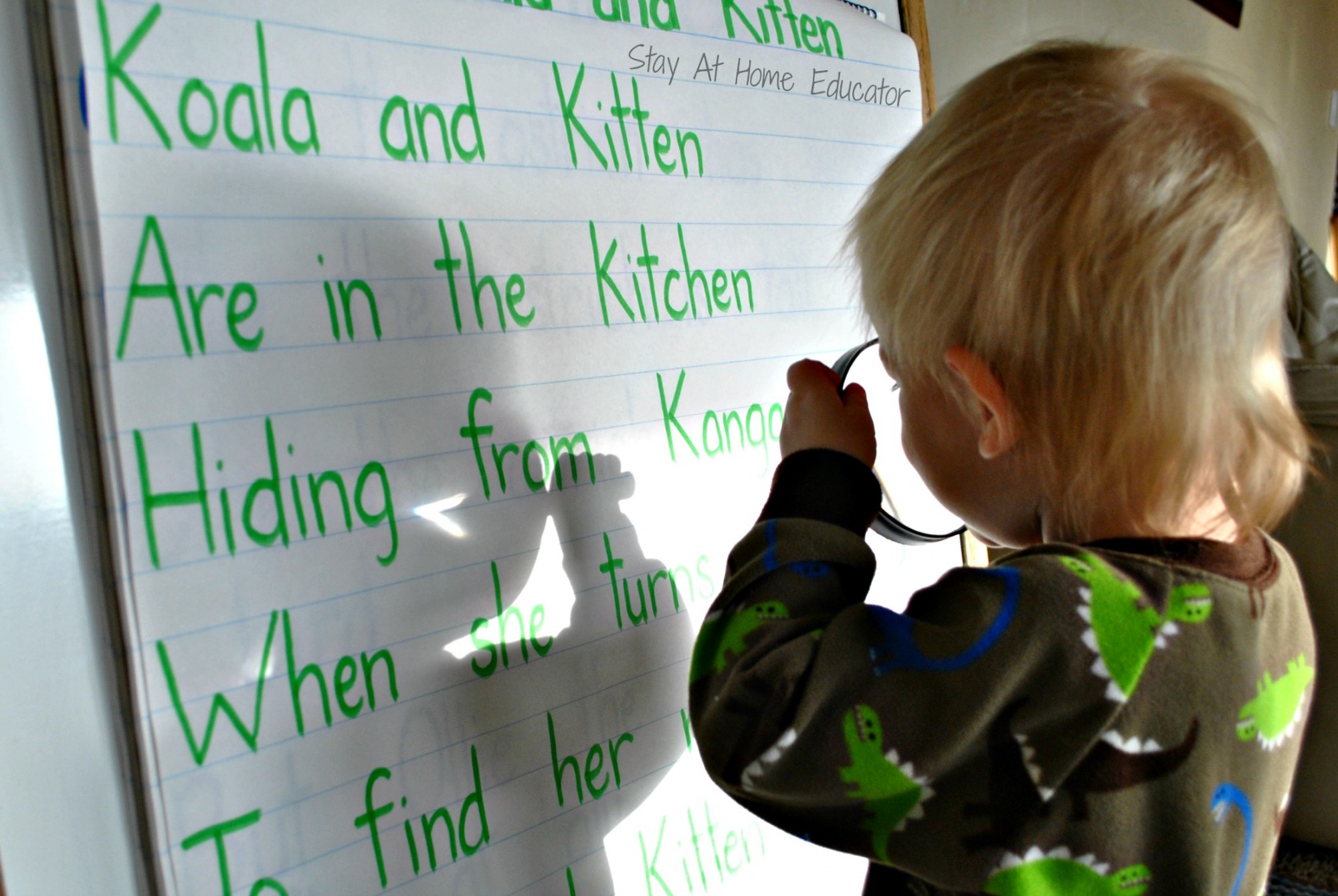
I Spy Letter Recognition Game
Choose one letter. That’s it.
Display a poem, song, or short text on chart paper and challenge children to find that letter wherever it appears. Magnifying glasses aren’t necessary—but they do increase buy-in. This activity supports:
- Visual scanning
- Attention to detail
- Early print awareness
And because you’re only focusing on one letter at a time, children aren’t overwhelmed.
Read it here: I Spy Letter Recognition Game
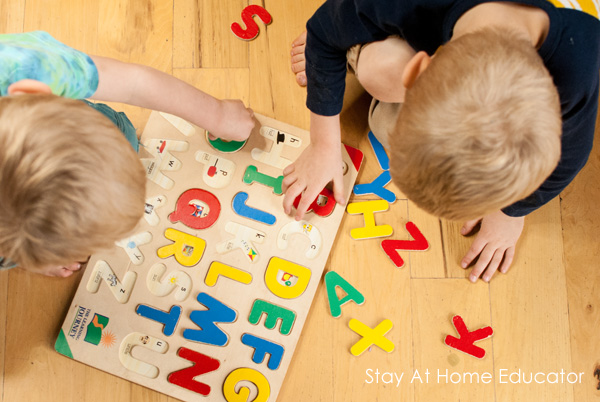
Alphabet Puzzle Games
The Alphabet Puzzle Game encourages letter recognition through active play.
Hide alphabet puzzle pieces around the room. Invite children to find the pieces, name the letters, and work together to put the puzzle back together to reveal the alphabet or a simple word.
This works well because:
- Movement supports attention and memory
- Letters are practiced repeatedly without pressure
- Working together builds confidence
You can adjust the activity by using fewer letters or mixing uppercase and lowercase pieces.
Read it here: Alphabet Puzzle Games
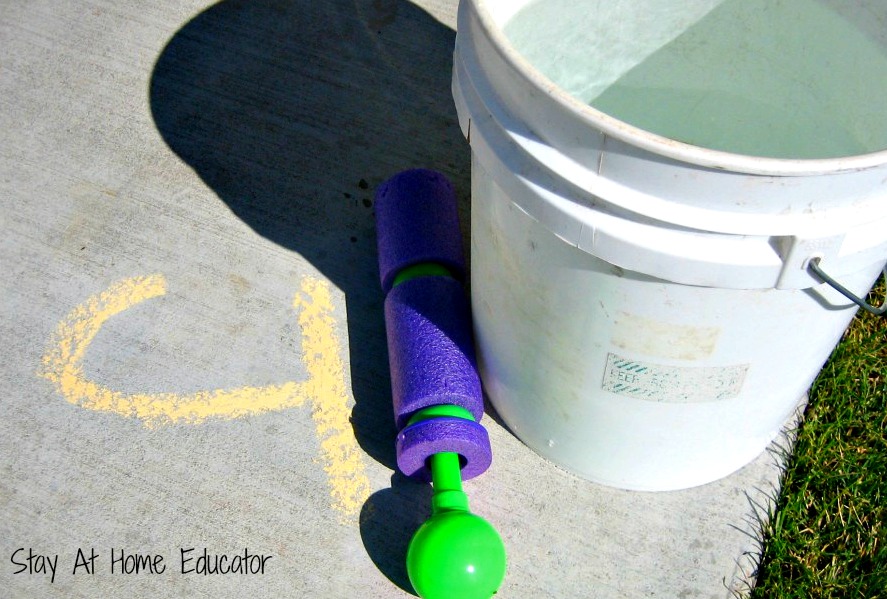
Squirt the Letter Alphabet Game
This is a favorite for active learners.
Write letters on a fence, chalkboard, or outside surface. Call out a letter and let children squirt it with a spray bottle. You’ll see:
- High engagement
- Natural repetition
- Improved letter recall
Plus, it’s an excellent way to channel energy on days when sitting still isn’t happening.
Read it here: Squirt the Letter Alphabet Game
When a Child Is Struggling With Letter Recognition
At this point, it’s common to wonder whether children are actually recognizing letters—or just guessing their way through activities.
If letter learning still feels inconsistent, it can help to step back and look at which skills are solid and which ones need more time.
Once you have a clearer picture of which letter skills are solid and which still need support, the next step is knowing what to teach next, and in what order. That’s where having a consistent literacy plan matters. Rather than rotating random activities, a structured approach helps you build letter recognition alongside other early literacy skills in a way that makes sense for preschoolers.
Fun Ways to Practice Writing Letters
Writing and letter recognition go hand in hand—but preschool writing should never feel rushed.
These activities support letter formation while still honoring developmental readiness.
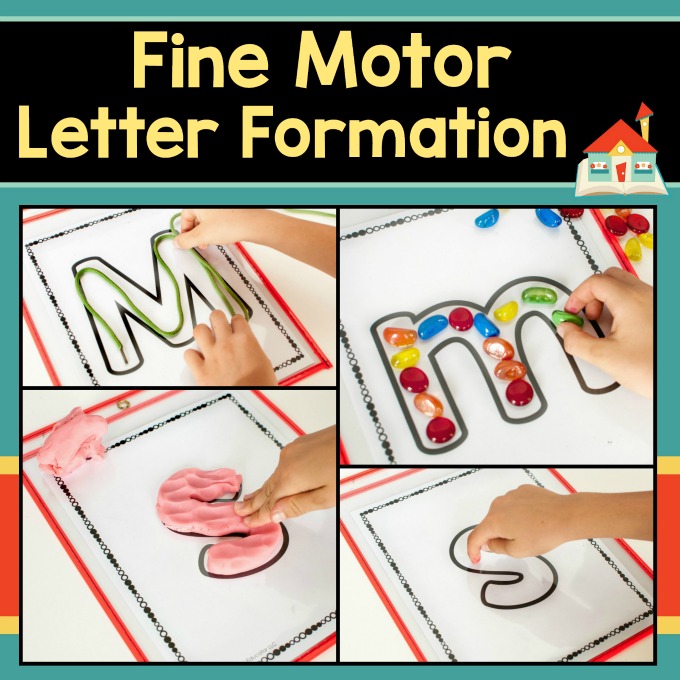
Playdough Alphabet Mats
Rolling, pinching, and shaping play dough strengthens the same muscles needed for writing. Children can:
- Roll dough into “snakes” to form letters
- Press letter cookie cutters into dough
- Build letters on mats or cards
It’s hands-on, engaging, and surprisingly effective.
Read it here: Playdough Alphabet Mats

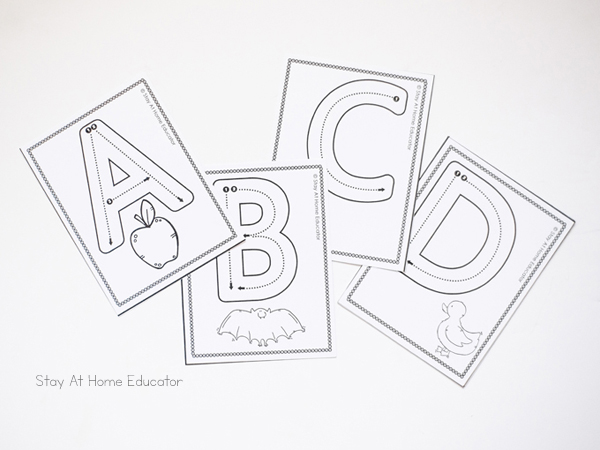
Alphabet Letter Formation Cards
For children who are ready for more structure, letter formation cards provide guidance without overwhelming them.They’re ideal for:
- Learning centers
- Small groups
- Short, focused practice sessions
When used alongside play-based activities, they help solidify correct letter formation.
Read it here: Alphabet Letter Formation Cards
Letter Writing in the Sand
Sand trays are simple and effective.
Children use their fingers to trace or write letters, which builds muscle memory without the pressure of pencil control. Mistakes disappear instantly, which encourages experimentation. This is especially helpful for children who:
- Need more sensory input
- Avoid writing tasks
- Get frustrated easily
Read it here: Letter Writing in the Sand

Letter Recognition Games Online (Used Intentionally)
Screen time can support learning when it’s purposeful and limited. A few solid options:
ABCya
ABCYa is a great site for preschoolers to practice letter recognition and phonics skills. Kids can choose from several alphabet games that allow them to match uppercase and lowercase letters while reinforcing letter names and sounds in a fun, interactive way.
PBS Kids
PBS Kids offers many free online alphabet games for young learners. Kids can play letter match games, identify missing letters, and go on alphabet adventures to strengthen letter recognition abilities.
Starfall
At Starfall, preschoolers can play alphabet games like Airport Letters, where they match letters on suitcases or feed letters to an alphabet dinosaur. These interactive games help kids learn letter names engagingly.
Is Letter Recognition Phonics?
Letter recognition and phonics have an intertwined relationship in early childhood literacy. Letter recognition refers to a child’s ability to identify the names and shapes of letters. Phonics connects those letter shapes to their corresponding sounds.
Many educators consider letter recognition a prerequisite skill for phonics. Children must know letter names and forms before connecting letters to sounds. However, other experts argue letter recognition should be taught simultaneously with phonics. Recognizing the letters while learning their sounds helps reinforce the alphabet.
Interactive and play-based activities are a great way to teach letter recognition to preschoolers. Letter recognition is an essential early literacy skill, but traditional rote learning methods often don’t work well for young children. Focusing on making letter recognition fun and hands-on helps engage preschoolers while supporting their developing skills.
If you have a preschooler who is struggling with letter recognition, the link article is a must-read. Additionally, this posts will be helpful as well.
Practical Tips for Teaching Letter Recognition Successfully
Letter recognition is a critical early literacy skill, and how it is taught matters. Young children need instruction that is intentional, consistent, and aligned with their developmental stage. The following tips reflect practical, research-informed practices that support meaningful letter learning while respecting the pace at which children acquire these skills.
- Begin with uppercase letters, as they are visually simpler and easier for young children to distinguish
- Introduce lowercase letters gradually and intentionally, once uppercase recognition is established
- Use a systematic, research-informed letter recognition program to ensure skills are taught in a clear, intentional sequence
- Keep letter recognition lessons short and consistent to support attention and reduce cognitive overload
- Repeat familiar activities rather than frequently introducing new ones, allowing children to build confidence through mastery
- Emphasize steady progress over speed, recognizing that each child develops at their own pace
Most importantly, remember: letter recognition skills develop over time, through repeated, meaningful exposure—not all at once.
Bringing It All Together
Teaching letter recognition doesn’t require complicated materials or rigid lessons. What it does require is:
- Consistency
- Thoughtful repetition
- Activities that make sense for young children
Letters learned through active, playful experiences are far more likely to be understood and remembered. And, if you want a clear, structured plan that shows you what to teach each day without guessing or having to do extra planning, then download a sample of my Daily Lessons in Preschool Literacy Curriculum.
Shop our Preschool Literacy Curriculum Lesson Plans
Includes everything you need—daily lesson plans, printable centers, and more!
Shop our Preschool Literacy Lesson Plans
Engaging, ready-to-use lesson plans designed for early learners.
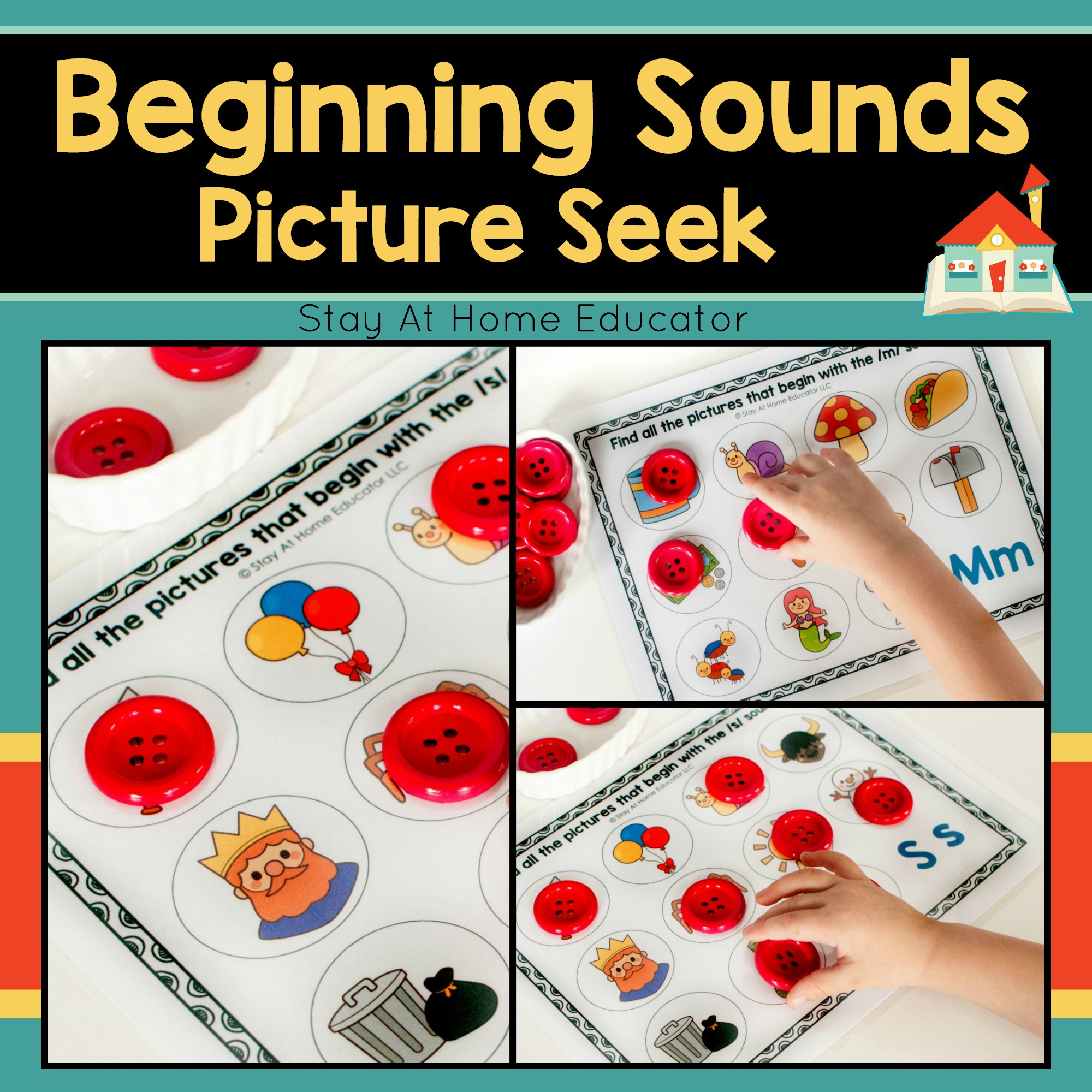
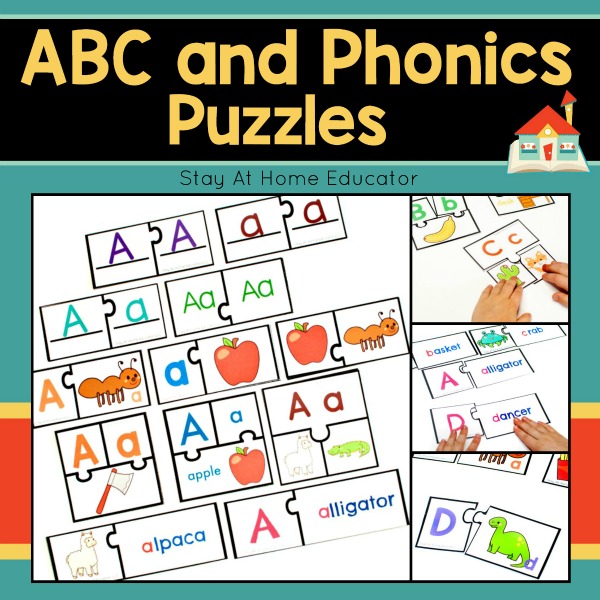
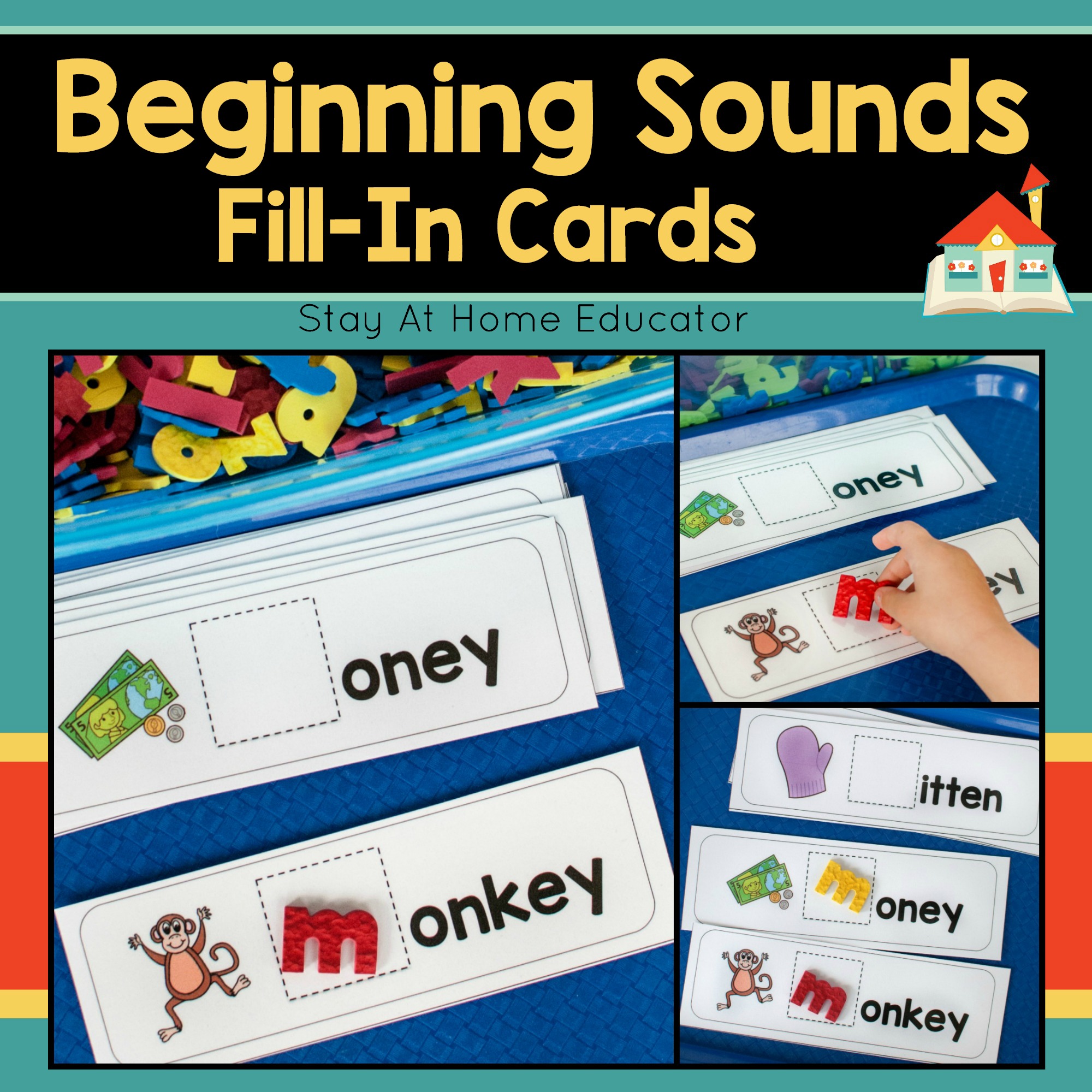
Shop our Letter Recognition Games and Puzzles
Easy-to-use games and puzzles for home or classroom learning.
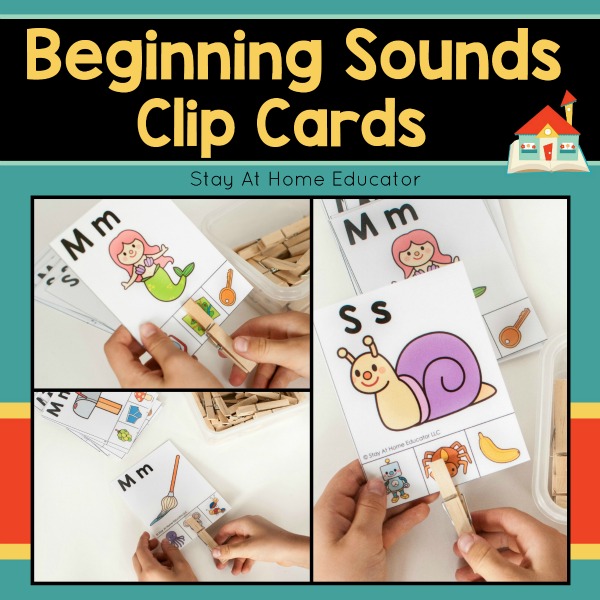
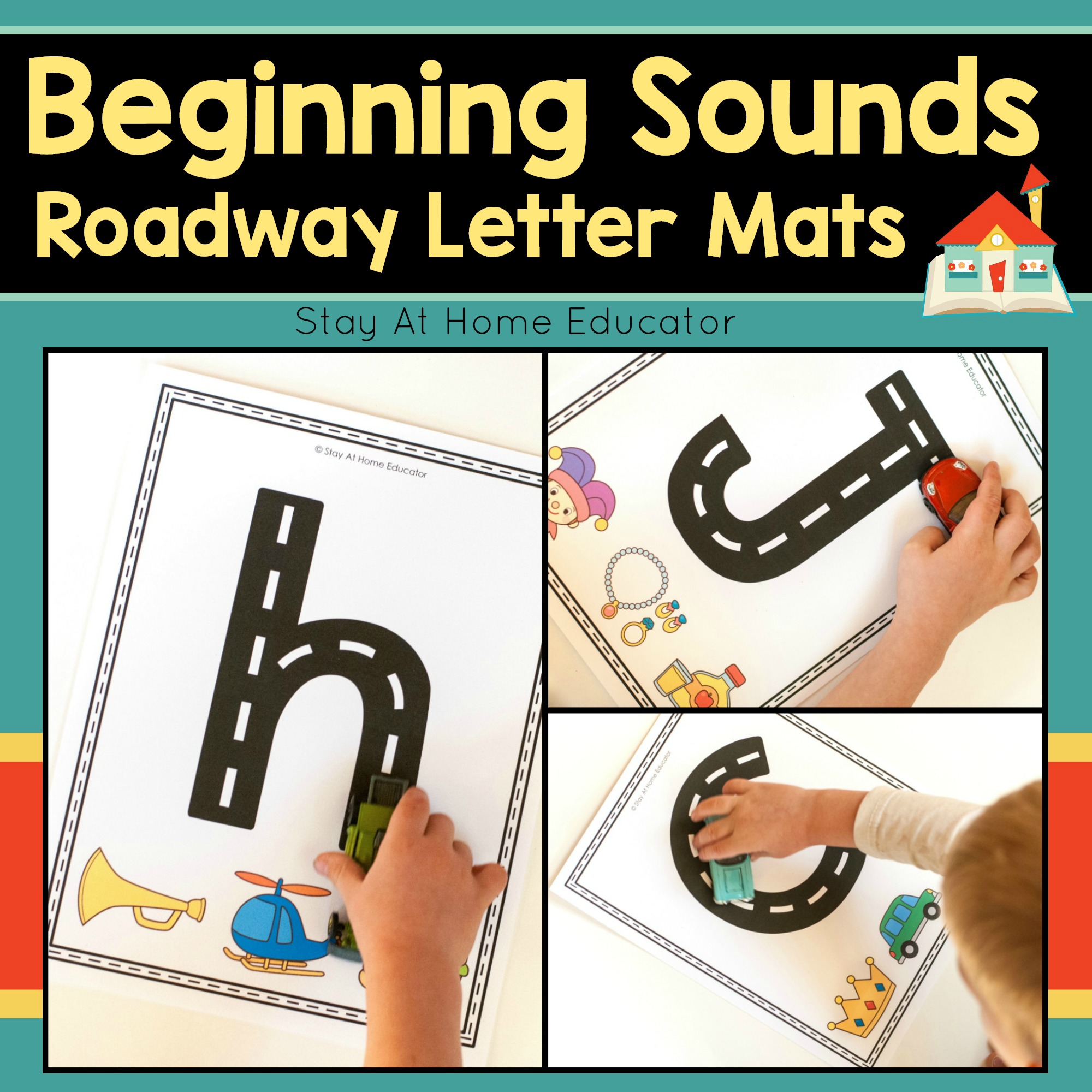
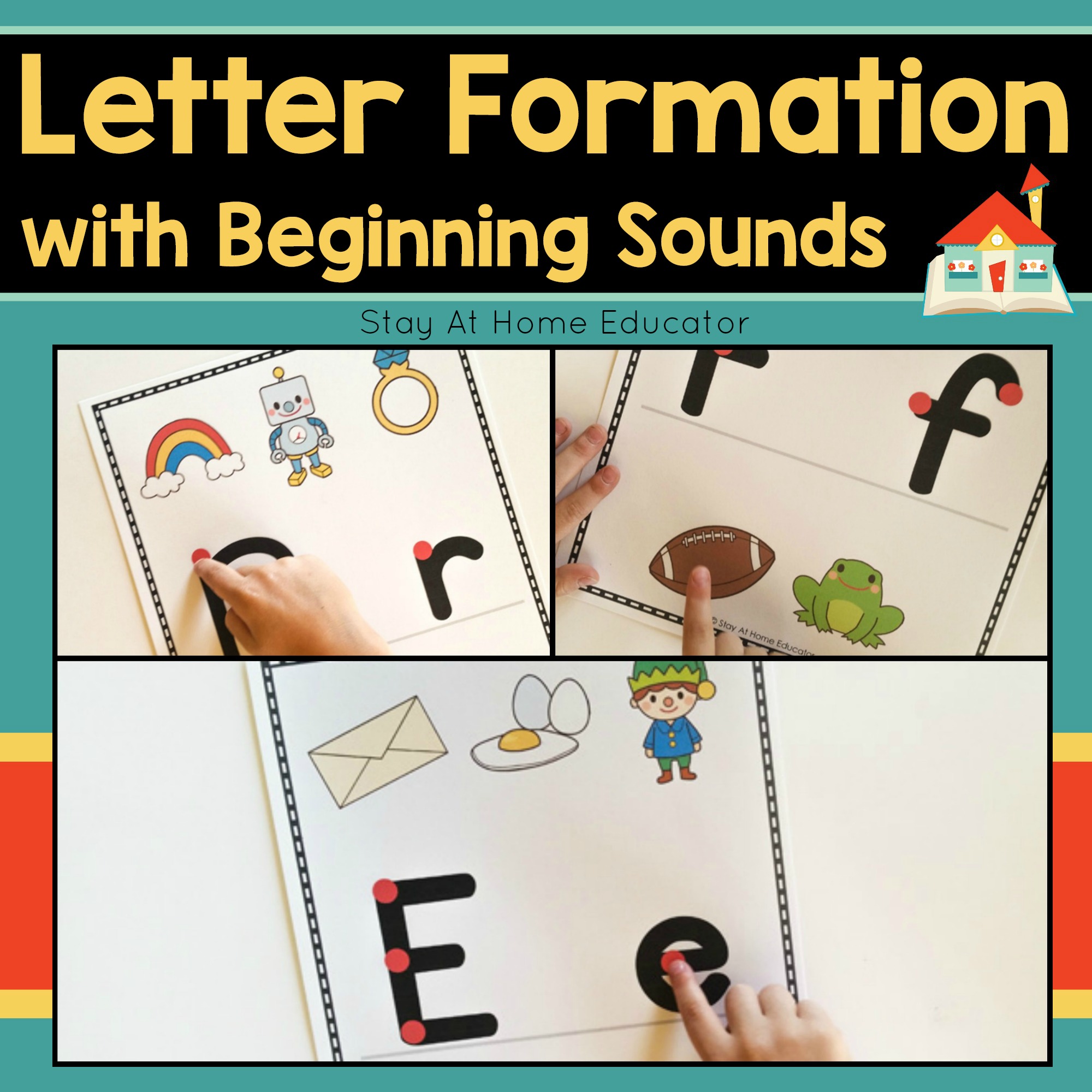
Shop our Letter Formation Printables
Fun, engaging practice mats that promote proper letter formation.
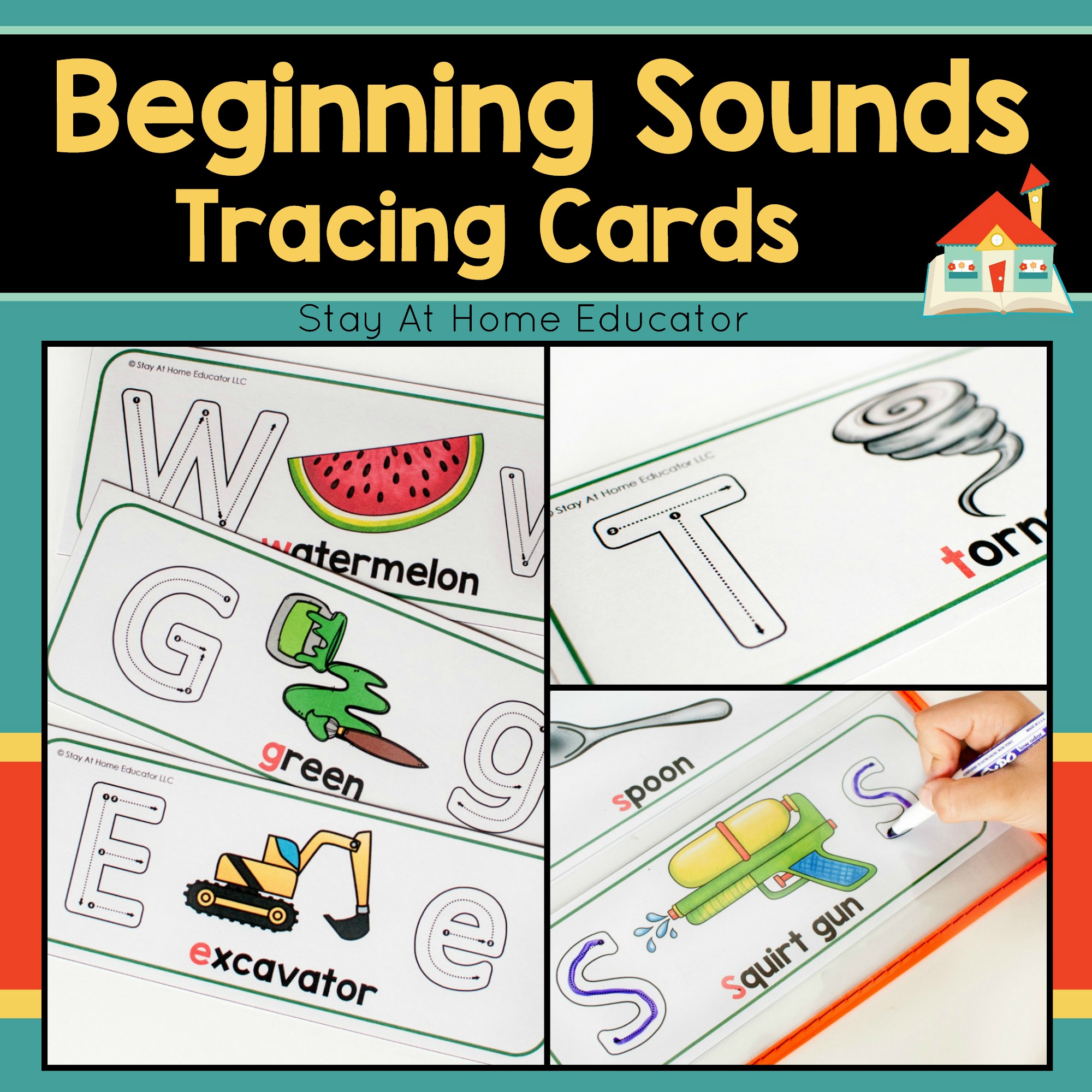
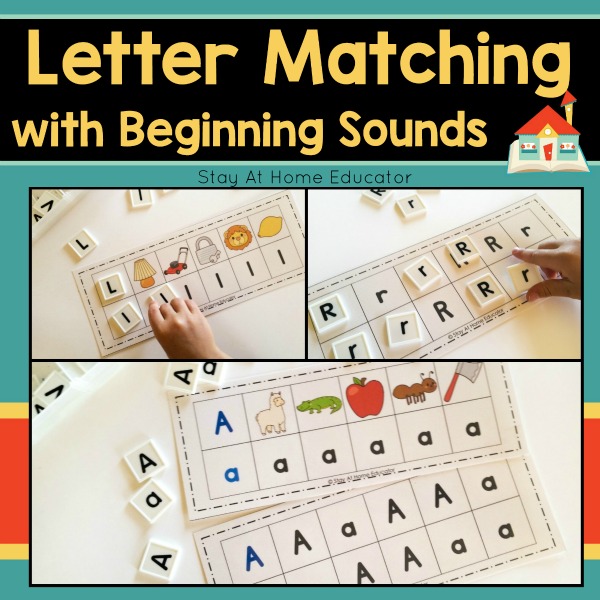
Shop our Letter Recognition Printable Activities
Engaging, hands-on printables to help kids identify and remember letters.

I’m Sarah, an educator turned stay-at-home-mama of five! I’m the owner and creator of Stay At Home Educator, a website about intentional teaching and purposeful learning in the early childhood years. I’ve taught a range of levels, from preschool to college and a little bit of everything in between. Right now my focus is teaching my children and running a preschool from my home. Credentials include: Bachelors in Art, Masters in Curriculum and Instruction.