
Free Beginner Preschool Math Worksheets
Teaching math in preschool can be really fun with the right mix of activities, which can even include preschool math worksheets. Whether you’re a parent, teacher, or homeschooler, using math activities for preschoolers that are simple, fun, and age-appropriate makes all the difference.
We’ve curated a collection of free math worksheets for preschoolers, along with fun activity ideas to help children ages 3–5 learn math through a mix of structured practice, play, and gentle repetition. From printable number worksheets to everyday tracing sheets, you’ll find simple, ready-to-use resources that make it easy to support early math learning.

Ready to give your preschooler a head start in math? We’ve got over 20 easy-to-use worksheets for preschoolers designed to make learning fun! These activities cover essential skills like counting, sorting, shapes, measurement, and graphing.
With age appropriate math worksheets like these, your child will be mastering these foundational concepts in no time. Check out our preschool math skill checklist.
Here’s the magic formula for using math worksheets in your preschool: combine engaging activities with our expertly designed worksheets to make math a blast!
Read this: Best Preschool Math Curriculum for Homeschool.
How to Teach with Preschool Beginner Worksheets
Early math skills form the cornerstone of later academic success. Integrating preschool math worksheets alongside intentional preschool math activities can help make these concepts more concrete while aligning with early learning standards and curriculum goals.
Why Early Math Skills Matter
- Supports cognitive growth: Understanding numbers, patterns, and simple operations helps strengthen problem-solving and logical reasoning.
- Builds curriculum readiness: Early exposure to counting, sorting, and number recognition prepares children for kindergarten math objectives.
- Encourages confidence: When children engage with age-appropriate tasks, they develop a positive relationship with learning and perseverance.
Learn how to write preschool math lesson plans and check out this comprehensive guide on what to include in your math lesson plans.
Best Printable Beginner Preschool Math Worksheets
Preschoolers thrive with simple, structured math practice they can see and touch, and having the right printables on hand makes all the difference. This collection of preschool math printables includes a variety of hands-on, skill-building activities designed just for early learners. All of the printable preschool math worksheets featured here are available as free PDF downloads, ready to use at home or in the classroom.
You’ll find a range of worksheet types to support early math development, including:
- Number tracing to build number formation and recognition
- Matching quantities to numerals to connect counting with written numbers
- Cut-and-paste shape sorting for identifying and classifying shapes
- Ten-frame counting practice to develop one-to-one correspondence and early addition skills
These free preschool math worksheets offer low-prep, meaningful practice that pairs well with hands-on activities. Download your favorite sets below and start building math confidence with fun, accessible tools. All preschool math worksheets free for personal or classroom use.

Preschool Math Number Recognition Worksheets
Looking for a fresh approach to teaching numbers? These preschool math worksheets beginner level activities help young learners build number recognition from 0–20 with ease. Designed for flexibility, they fit neatly into any early math plan—at home or in the classroom—and require no prep. Each worksheet encourages visual discrimination and counting confidence in a simple, developmentally appropriate way.

Palm Tree Count, Find, and Write
Add summer fun to your lessons with Palm Tree Count, Find & Write—engaging preschool beginner math printables for 3-4 year olds that build counting and number-writing skills. This beach-themed set adds joy and color to early learning while supporting fine motor development and numerical awareness. Perfect for seasonal centers, small groups, or at-home enrichment activities.
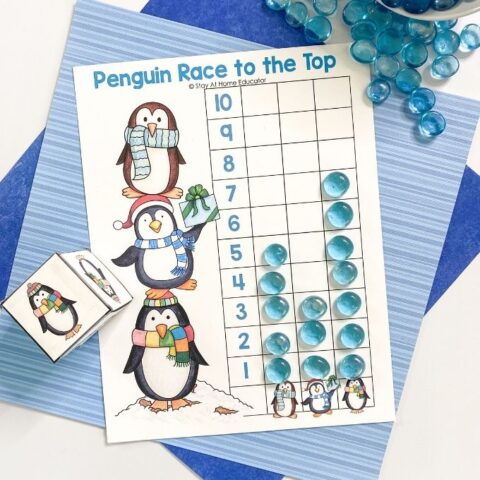
Winter Penguins Graphing for Preschoolers
Bring winter magic to math time with our Penguin Graphing activity—part of our early childhood beginner math worksheets preschool collection. Children count, sort, and graph penguins to explore early data skills and classification. This playful, hands-on exercise strengthens visual organization, counting fluency, and early graph interpretation in a developmentally supportive way.

Sorting and Preschool Math Graphing Activities
Brighten your classroom with this Rainbow Color Sorting and Graphing printable—one of our most popular preschool math activities beginner worksheets number sense resources. Using colorful cereal, children sort, count, match, and graph to deepen understanding of patterns and quantities. Ideal for centers or small groups, it combines sensory play with structured learning for early math success.

Fall Graphing Worksheets for Preschool
Celebrate fall with this cheerful graphing activity, part of our free beginner preschool math worksheets for ages 3-5 series. Children practice sorting and counting seasonal images while building essential data awareness skills. This worksheet supports number sense and early organization concepts, making it a perfect addition to thematic lessons in preschool or pre-K programs.

Summer Number Recognition Worksheets for Preschoolers
Seasonal themes help keep math fresh, and this summer number recognition activity is perfect for that purpose. These math worksheets preschool beginner printable activities invite children to draw number cards and color matching sunglasses. The result is a cheerful, hands-on way to build number recognition while offering just the right amount of repetition for lasting understanding.
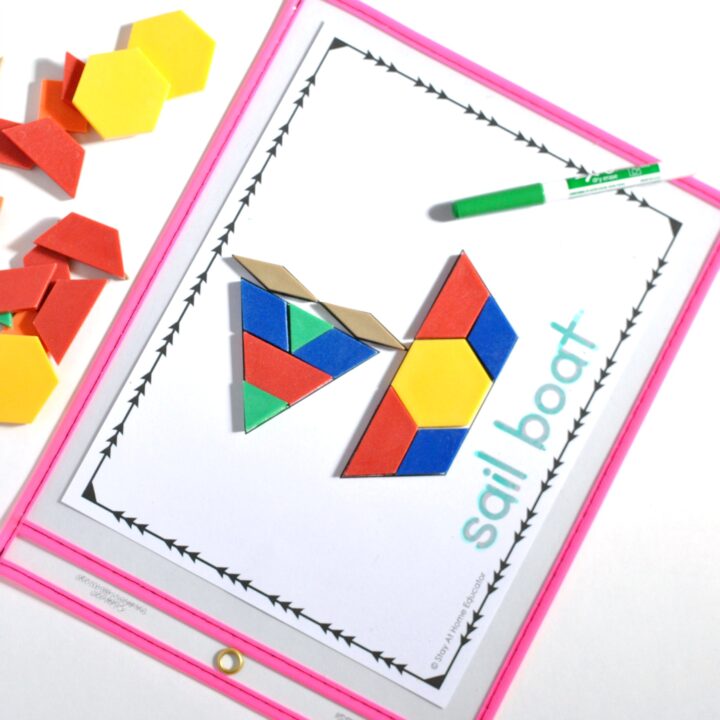
FREE Summer Pattern Blocks Printable Mats
Pattern block mats are a favorite among teachers looking to mix play and learning. These preschool beginner math worksheets shapes counting free build early geometry and spatial reasoning skills while encouraging creativity. Children explore shapes, patterns, and symmetry through colorful block arrangements. Use them in summer centers or home learning spaces for meaningful practice.

Preschool Math Numbers Playdough Mats
If teaching numbers ever feels like a chore, try activities that mix movement and creativity. These preschool beginner math worksheets counting and sorting can double as playdough mats, allowing students to trace, press, and count while developing fine motor control. The multisensory approach turns early math into a fun, engaging experience that builds lasting confidence.

Apple Graph Math Activity and Printable
Introduce preschoolers to simple data collection with this fruit graphing chart from our preschool math worksheets beginner skills number recognition set. Children compare fruits by color, size, or seed count while recording results visually. This activity promotes observation and organization skills while making early numeracy both hands-on and meaningful.

FREE Back to School Worksheet Preschool Measurement Activities
Measurement becomes exciting when children use real objects. These early childhood beginner math worksheets preschool encourage kids to measure pencils, crayons, or blocks using counting cubes. The exercise strengthens number sense and introduces key concepts of size and comparison while keeping lessons interactive and developmentally appropriate.

Shape Pattern Worksheets
This pattern preschool math worksheet is perfect for beginners learning color sequences. Using consistent shapes, kids can focus on identifying simple color patterns. It’s a great fit for any set of beginner math worksheets preschool.

Free Color Matching Worksheets for Preschool
These free preschool math worksheets focus on color sorting and cutting practice. Children begin with primary colors and move to secondary ones. The challenge increases gradually, making them great preschool math printables for skill progression.

Free Colors and Patterns Worksheets
Turn pattern recognition into a game with this color-based preschool math worksheet. Kids strengthen reasoning and sequencing skills by predicting what comes next. It’s one of our most fun math activities for preschoolers.

Count & Graph Fall Activity
Count pumpkins, apples, and sunflowers, then graph the results using this seasonal preschool math worksheet. It's a fun way to build early counting and graphing skills. Add it to your collection of math worksheets for preschool

Counting bear patterns (free printable!)
This no-prep printable is perfect for practicing pattern recognition using colorful bears. It’s one of the printable preschool math worksheets designed to strengthen sequencing skills through visual repetition. Great for any set of beginner math worksheets preschool.

FREE Cut and Paste Shape Sorting Worksheets for Preschool
Cut and match shapes with this hands-on preschool math worksheet. Kids improve scissor skills while learning shape names and practicing visual classification. It fits well into both preschool math activities and early childhood math worksheets.

Dot marker shape printables
These dot marker printables double as shape recognition and fine motor practice. Kids will uncover 2D shapes while dotting and coloring each page. They’re fun and functional preschool math printables that can also be turned into shape posters.

Sorting fruits and vegetables
Use these fruit and vegetable sorting pages as part of your preschool math worksheets free bundle. Children will cut, color, and sort while learning about food groups and color identification. They’re also great numeracy worksheets for preschoolers when paired with counting activities.

Long and short worksheets for preschool
Teach size comparison with these long and short object preschool math sheets. Children will identify the longest and shortest images and add color for extra engagement. A simple and effective option for math for preschoolers worksheets.

Measure and mark
These worksheets are a hands-on adventure in measurement! Kids will use an extraordinary cut-out scale to measure and color different objects' exact lengths or heights. It's fun to practice measuring skills and get creative while learning.

Free Printable Shapes Worksheets
These bright and engaging preschool math printables focus on shapes and fine motor skills. With options like coloring and dot-to-dot puzzles, kids will develop shape recognition while having fun. They’re a solid choice for printable preschool math worksheets.

Shape Tracing Worksheets
Help build handwriting readiness with these shape-tracing preschool math worksheets. Kids trace circles, triangles, and squares while developing early geometry skills. These are great beginner math worksheets preschool children can use again and again.

FREE PRintable Shape Tracing Worksheets for Preschool
This printable shape-tracing activity is perfect for year-round use. Children trace basic shapes to boost recognition and motor skills. It fits well with other prek math worksheets and requires no prep.

Free Making Ten Worksheets
Use these number train preschool math worksheets to review making 10. Kids complete each number sentence by writing the missing number in the train car. A fun way to reinforce early addition in math worksheets for preschool.

Free Printable Zoo Math Worksheets for Preschoolers
These zoo-themed preschool math worksheets offer practice in counting, simple addition, and sequencing by size or type. They’re excellent numeracy worksheets for preschoolers with an animal twist. A great option to include in any collection of free preschool math worksheets.

Color by Number Transportation Preschool Worksheets
Explore cars, trains, and hot air balloons while building important early learning skills with these color by number transportation math worksheets for preschoolers. Get yours today!
Combine Worksheets with Play-Based Math Learning
Combine worksheets with play-based math learning to keep preschoolers engaged and active. For example, after using a shape-focused preschool math worksheet, take the learning further with a shape hunt around the room or outdoors. Children can search for real-world objects that match the shapes they just practiced, reinforcing the concept through movement and exploration.
Mixing seatwork with hands-on play helps balance structure and activity. Worksheets work best as prompts or starting points—not the only method. By following up with movement-based activities, you help make abstract math concepts more meaningful and memorable.
Read this: Unlocking Preschool Math Goals.

Tips for Using Preschool Math Worksheets Effectively
Keep worksheet sessions short—about 10 to 15 minutes—to match young attention spans and avoid burnout. Allow kids to color or decorate parts of the worksheet to make the activity more engaging and creative. Use simple rewards like stickers or stamps to encourage effort and participation.
To maintain interest, rotate between preschool math worksheets and active play. This balance helps reinforce skills while giving children the movement and variety they need to stay focused.
Grab our Math Lesson Plans for Preschoolers Bundle
Bundle and save on preschool math lesson plans for the year!
Read this: Developmentally Appropriate Preschool Math Worksheets
Beginner preschool math worksheets can be a valuable resource for reinforcing basic numeracy skills. However, the most important aspect of early math learning is to make it fun and engaging. Integrate math into everyday activities, let children explore and experiment, and use worksheets to supplement this.
FAQ About Using Math Worksheets for Preschoolers
Yes, when used alongside hands-on activities, worksheets can reinforce key math concepts like counting, sorting, and number recognition. They provide structured practice to help preschoolers develop foundational skills. However, they should be engaging and age-appropriate to keep learning fun.
Beginner worksheets should focus on number recognition, counting, patterns, shapes, sorting, and simple comparisons. These early concepts help build number sense and problem-solving skills. Activities should be simple, visual, and interactive to keep young learners engaged.
Number tracing can be helpful for fine motor development and number recognition, but it shouldn’t be the only focus. Preschoolers benefit from a mix of activities, including counting, matching, and hands-on exploration. Using multiple approaches helps reinforce number concepts more effectively.
Look for worksheets with large, clear visuals, minimal text, and simple instructions. Activities should match your child’s skill level, gradually increasing in difficulty as they gain confidence. If a worksheet frustrates your child, it may be too advanced and should be adjusted to their needs.
Use worksheets as a follow-up to hands-on activities, such as counting real objects before completing a counting worksheet. Encourage active participation by using stickers, crayons, or manipulatives to complete activities. Keeping worksheets playful and low-pressure ensures they remain a fun learning tool.

I’m Sarah, an educator turned stay-at-home-mama of five! I’m the owner and creator of Stay At Home Educator, a website about intentional teaching and purposeful learning in the early childhood years. I’ve taught a range of levels, from preschool to college and a little bit of everything in between. Right now my focus is teaching my children and running a preschool from my home. Credentials include: Bachelors in Art, Masters in Curriculum and Instruction.