
Letter Recognition Worksheets for Preschoolers
Letter recognition worksheets that actually help preschoolers learn letters can make a real difference, especially when traditional methods aren’t sticking.
Letter recognition develops gradually, and it’s normal for preschoolers to struggle with remembering letter names or telling similar letters apart. What helps most outside of systematic interventions is repeated, meaningful, hands-on letter recognition activities (and even a few worksheets), not more rote drills.
These letter recognition worksheets were designed to give preschoolers multiple, developmentally appropriate ways to interact with letters on the paper. Instead of simple tracing, each page blends movement, fine motor practice, visual scanning, and sound awareness to reinforce letter recognition.
What You’ll Learn
- What letter recognition really means (and what it doesn’t)
- Why hands-on letter recognition activities are more effective than drills
- How these worksheets support fine motor and early literacy skills
- What’s included in the full worksheet set
- How to use the worksheets step-by-step with preschoolers
- Creative ways to extend letter practice beyond the page
A Hands-On System for Teaching Letter Recognition
Rather than random worksheets, this resource works as a complete set of hands-on alphabet worksheets that easily fit within a structured literacy program like the Daily Lessons in Preschool Literacy Curriculum. Each page follows the same predictable format so children know what to expect while still staying engaged.

Why Letter Recognition Worksheets Still Matter
Letter recognition is one of the earliest building blocks of reading. Before children can blend sounds or decode words, they need to quickly and confidently recognize letters, both uppercase and lowercase.
Well-designed letter recognition worksheets:
- Give children focused exposure to one letter at a time
- Reinforce learning through multiple sensory pathways
- Provide repetition without boredom
- Support independence
When worksheets are interactive like these and used intentionally to support a letter program, they can be powerful learning tools, instead of busywork..
Read this: Research Based Letter Recognition Interventions
What Kids Learn from These Letter Recognition Worksheets
These worksheets are not your basic alphabet sheets. Here’s more about the benefits of using these interactive alphabet worksheets in your preschool classroom:
Fine Motor Skills Development
Tracing letters, coloring pictures, and marking letter hunts strengthen hand muscles and coordination. These small movements prepare preschoolers for later writing without pushing pencil skills too early.
Teaching Tip: Use crayons, markers, dot stickers, or Q-tips for tracing to add variety and sensory input.
Letter Recognition and Identification
Children practice finding target letters among mixed letters, helping them visually discriminate and recognize letters quickly. Both uppercase and lowercase letters are included to support real-world reading readiness.

What’s Included in the Hands-On Letter Recognition Worksheets
- 26 worksheets, one for each letter of the alphabet
- Letter tracing for uppercase and lowercase letters
- Find-and-circle letter hunts
- Dot-to-dot activities for letter formation
- Fun pictures to color
Additional Materials
- Crayons or colored pencils
- Dry-erase pockets for reusable practice
- Playdough for letter shaping (if desired)
- Magnetic letters for extra matching games (if desired)

How to Teach Letter Recognition Using These Worksheets
Worksheets can support letter recognition when they’re used thoughtfully as part of an intentional teaching routine. I like to use just one worksheet per week to support my Daily Lessons in Preschool Literacy Curriculum, introducing activities slowly and with guidance.
- Introduce one letter at a time. Say the letter name and sound together.
- Let children trace the letter using small sticker dots, arrows, or rainbow writing.
- Complete the letter hunt by finding both uppercase and lowercase versions.
- Talk about the picture and identify the beginning sound.
- Finish with independent tracing at the bottom of the page.
These worksheets can also be reused during the built-in review weeks in my curriculum to reinforce previously learned letters.
Teaching Tip: Break the worksheet into small parts and use it across the week. Even review worksheets can feel overwhelming to preschoolers when they’re completed all at once.
A Hands-On Way to Teach Letter Recognition
If you want a ready-made, hands-on way to teach letter recognition without planning everything yourself, these Hands-on Letter Recognition Worksheets walk children through tracing, letter hunts, and sound connections in a consistent, developmentally appropriate format.

Read this: How to Help a Child With Letter Recognition.
More Ways to Use These Letter Recognition Worksheets
- Alphabet Wall Display – Hang completed worksheets on a classroom or home alphabet wall. Kids will love seeing their work and reviewing letters daily.
- Writing Center Activity – Place the worksheets in the writing center with markers and crayons. Encourage kids to trace letters and decorate their pages.
- Make an Alphabet Book – Staple all the completed worksheets together to create a personalized alphabet book. Let kids “read” their book and practice letter sounds.
- Letter of the Week Folder – Store each worksheet in a folder for kids to revisit throughout the week. Add stickers or drawings to make it special.
- Morning Work or Quiet Time – Use the worksheets as a simple, independent activity during morning arrival or quiet time.
Who These Letter Recognition Worksheets Are Best For
- Preschoolers ages 3–5
- Kindergarten students needing extra letter practice
- Homeschool families
- Pre-K and preschool classrooms
- Children who need hands-on, visual learning
Get the Hands-On Letter Recognition Worksheets
Click the button below to grab your letter recognition worksheets for preschool.

Hands-On Alphabet Activities
Want to make learning letters even more engaging? Pair these worksheets with hands-on activities! Kids can practice letters through songs, movement games, and crafts, making alphabet learning more interactive.
- Fine Motor Alphabet Mats
- Alphabet Sensory Bin for Letter Recognition
- Alphabet Pattern Blocks Printable
- Free Printable Alphabet Playdough Mats
- Hands-on Ways to Use ABC Mats
- Alphabet Hop Gross Motor Game
- Zoom and Sort Letter Activity
FAQ About Using Letter Recognition Worksheets in Preschool
These letter recognition worksheets are best for preschoolers ages 3–5. They’re also helpful for kindergarten students who need extra practice recognizing uppercase and lowercase letters. Because the activities focus on tracing, visual scanning, and beginning sounds, they work well for children at different developmental stages—not just those who already know some letters.
Yes. Strong letter recognition is one of the most important foundations for early reading. When children can quickly and confidently recognize letters, they’re better able to focus on letter sounds, blending, and eventually decoding words. These worksheets support early literacy by giving children repeated, meaningful exposure to letters through hands-on letter recognition activities—not memorization or drills.
Worksheets are most effective when they complement hands-on learning, not replace it. These letter recognition worksheets are designed to feel hands-on by incorporating tracing, letter hunts, dot activities, and beginning-sound visuals. When paired with activities like playdough letters, magnetic letters, or alphabet games, worksheets help reinforce learning and build consistency.
Yes. Each worksheet includes practice with both uppercase and lowercase letters. This is important because children often learn uppercase letters first but see lowercase letters more often in books. Practicing both together helps children make connections and improves real-world letter recognition skills.
You can place the worksheets in sheet protectors or dry-erase pockets and use dry-erase markers. This allows children to practice letters multiple times without reprinting. Reusable practice is especially helpful for preschoolers, since repetition is key to building confidence and automatic letter recognition.
No. These worksheets are designed to be part of a balanced approach to letter learning. Alphabet songs, movement games, sensory play, and hands-on letter recognition activities are still important. The worksheets provide focused, intentional practice that helps children apply what they’re learning in other settings.
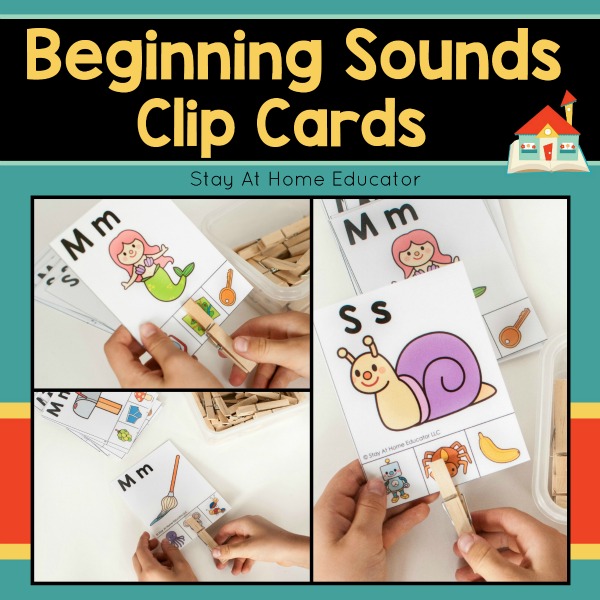
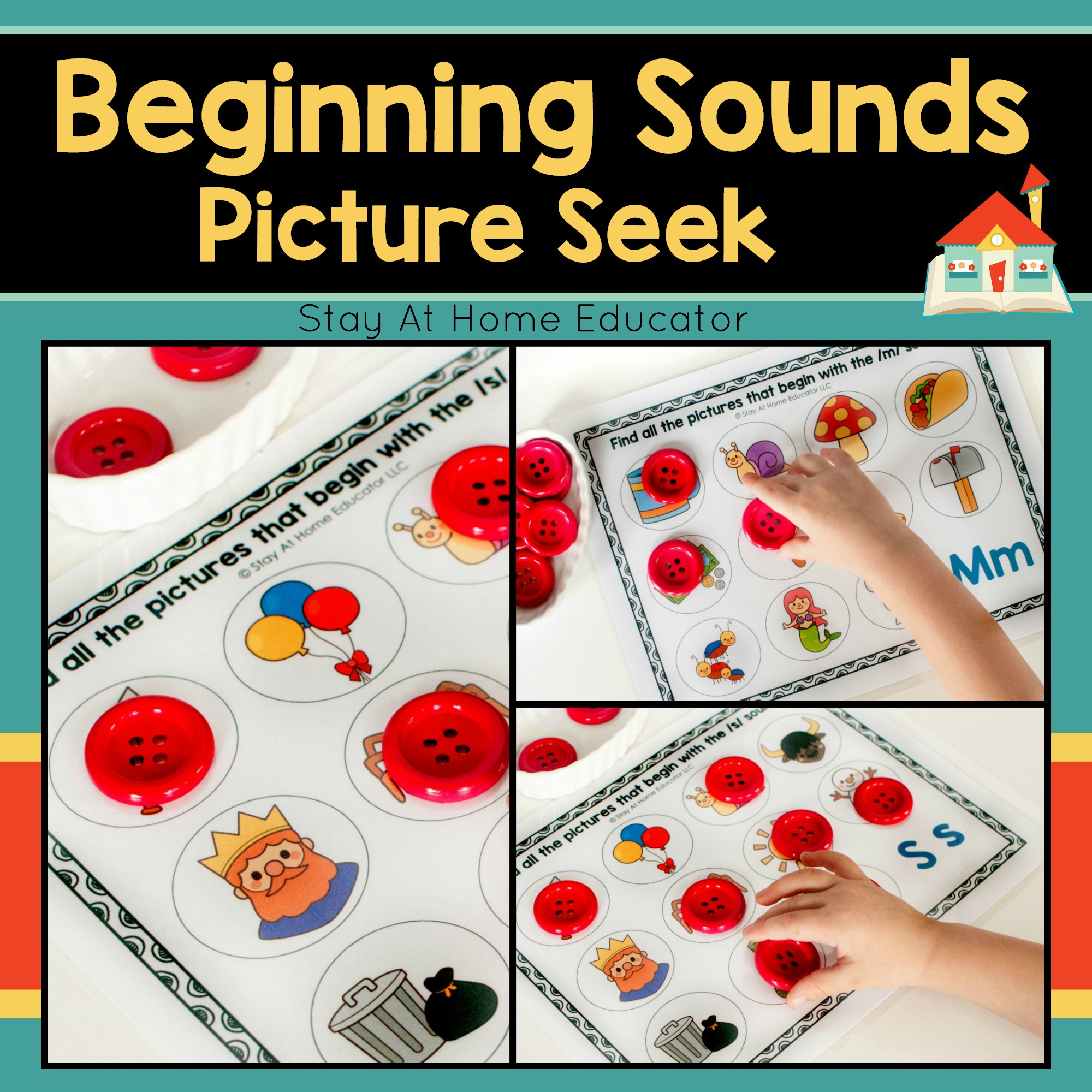
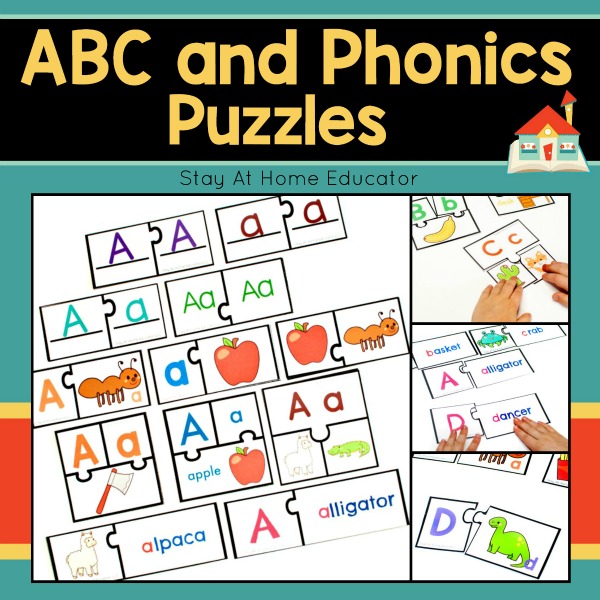
Shop our Letter Recognition Games and Puzzles
Easy-to-use games and puzzles for home or classroom learning.
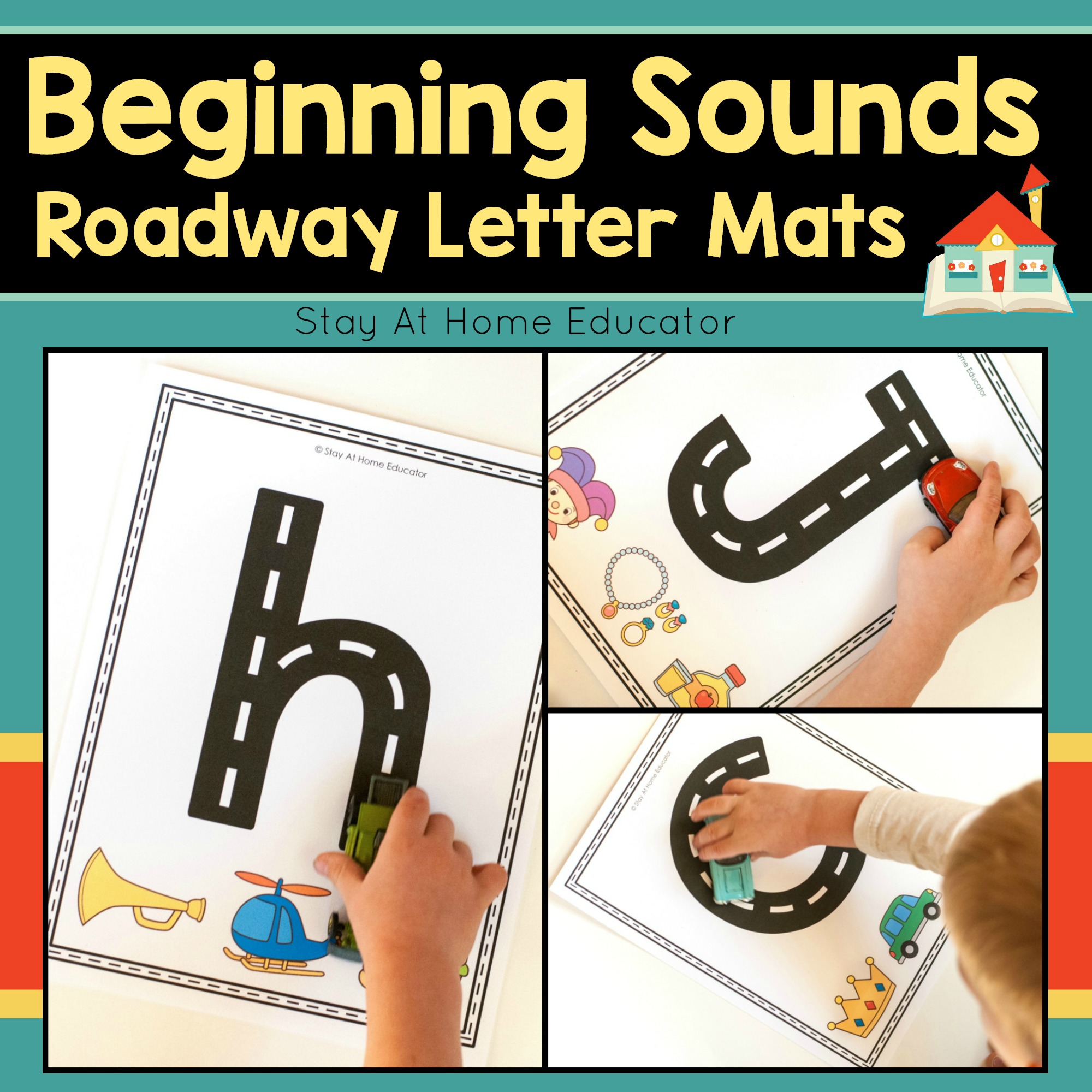
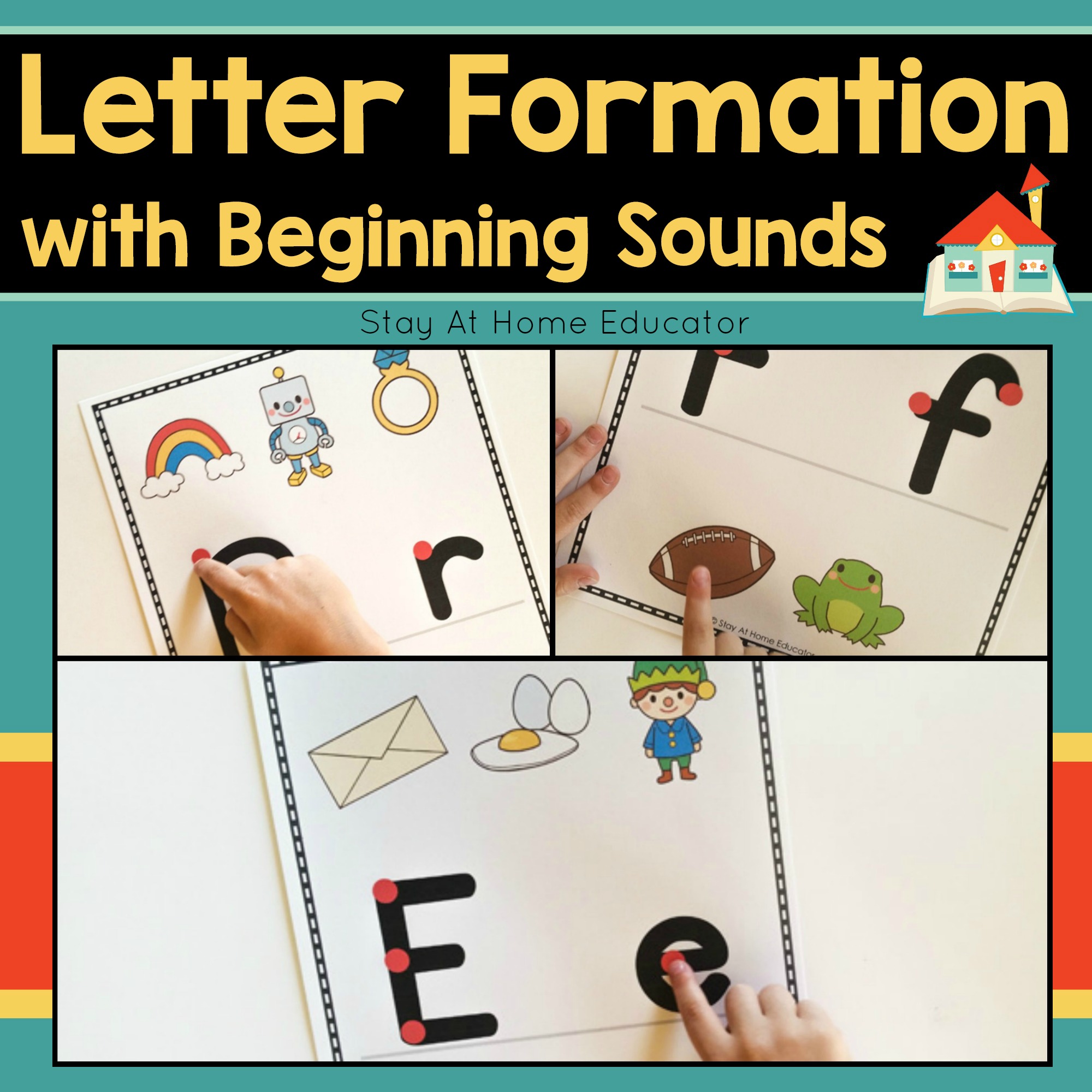
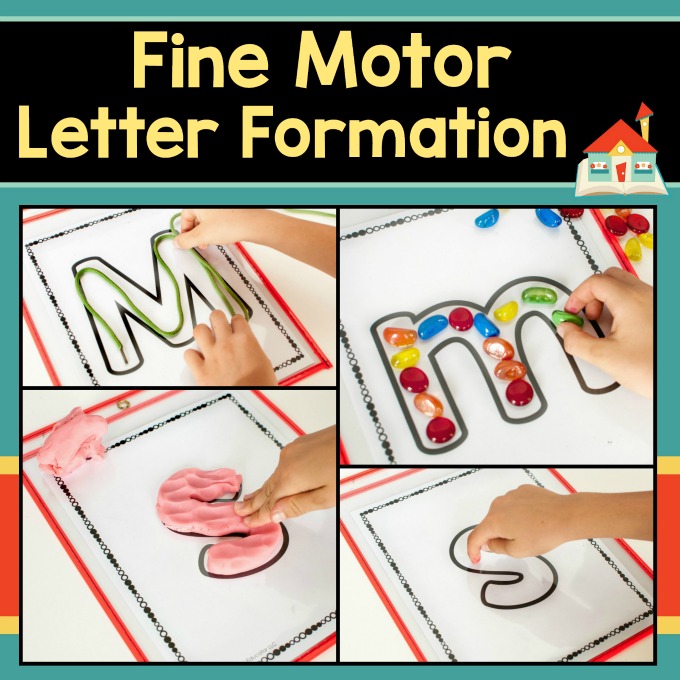
Shop our Letter Formation Printables
Fun, engaging practice mats that promote proper letter formation.
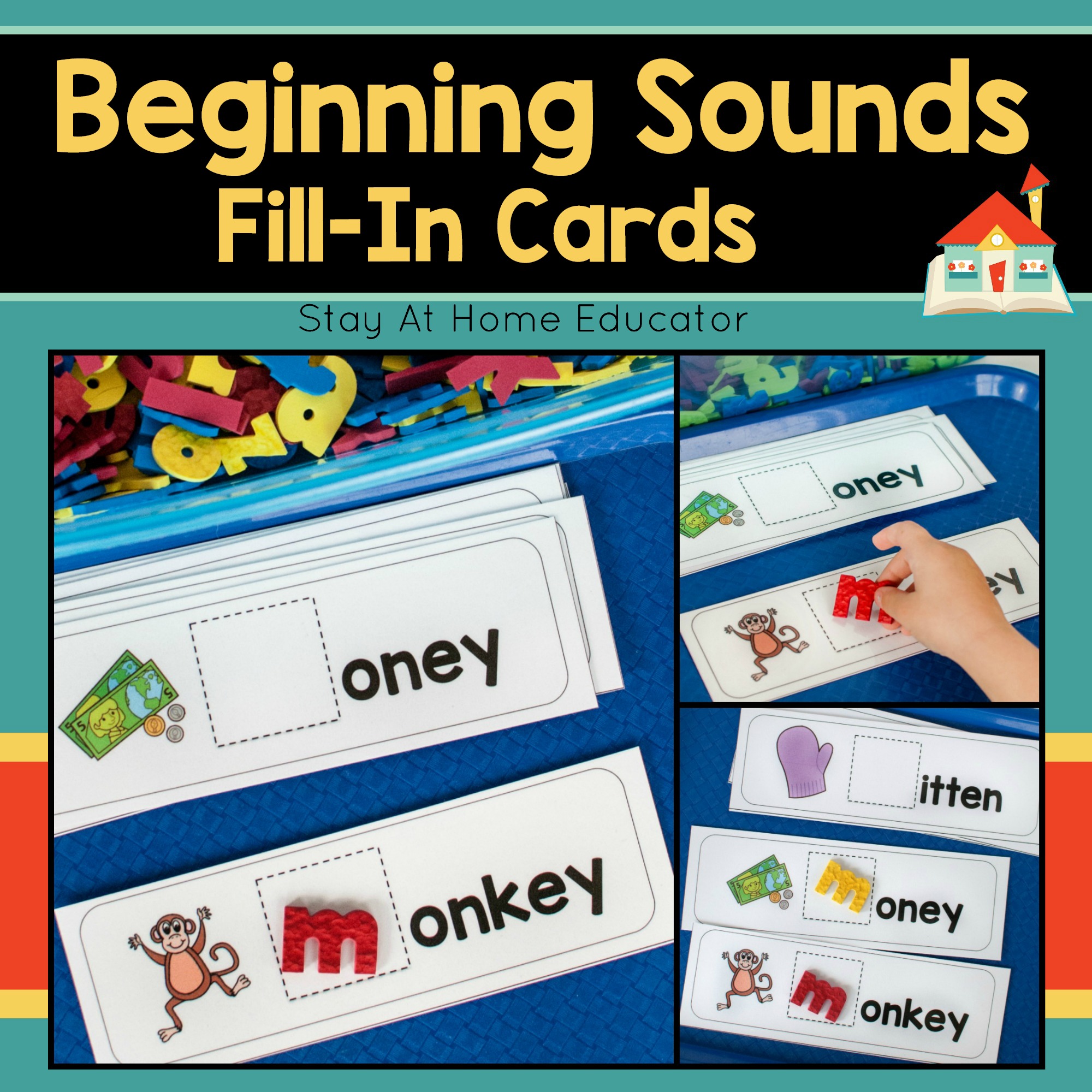
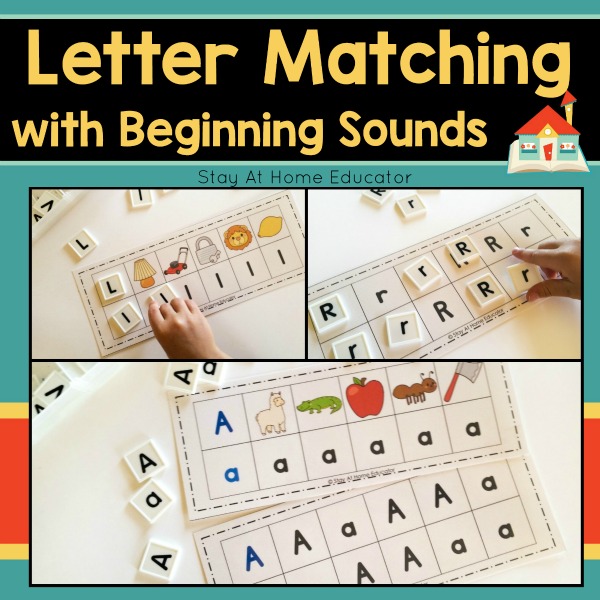
Shop our Letter Recognition Printable Activities
Engaging, hands-on printables to help kids identify and remember letters.
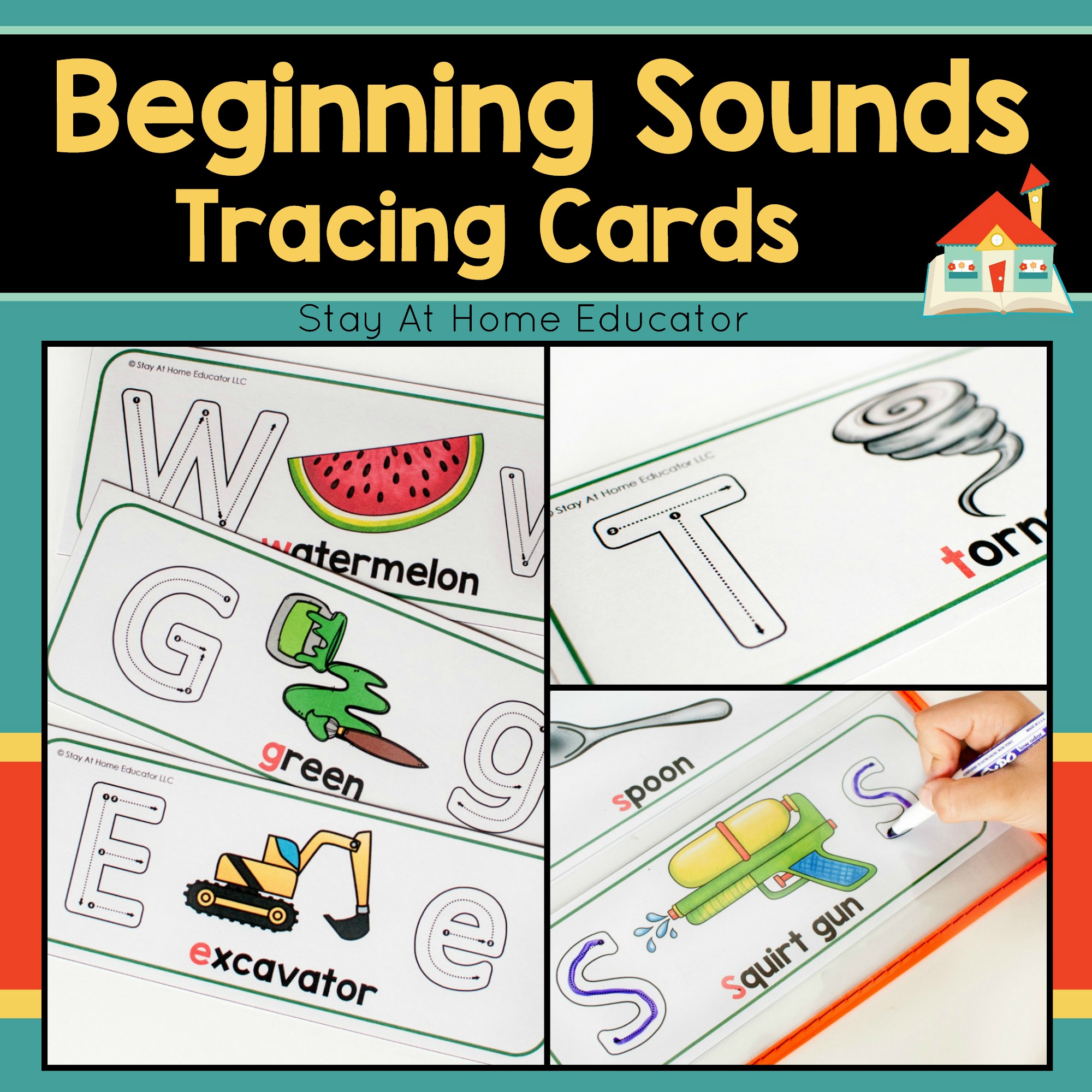
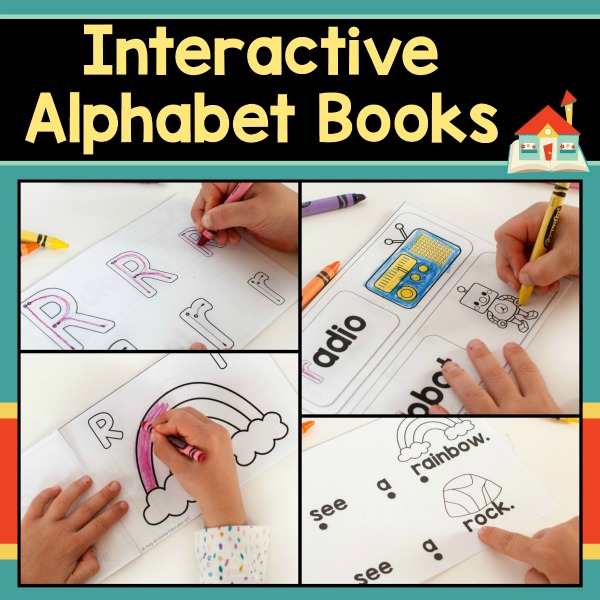
Shop our Alphabet Books and Worksheets
Easy-to-use worksheets and books for home or classroom learning.


I’m Sarah, an educator turned stay-at-home-mama of five! I’m the owner and creator of Stay At Home Educator, a website about intentional teaching and purposeful learning in the early childhood years. I’ve taught a range of levels, from preschool to college and a little bit of everything in between. Right now my focus is teaching my children and running a preschool from my home. Credentials include: Bachelors in Art, Masters in Curriculum and Instruction.


