
20 Easy & Fun First Week of Preschool Activities
The first week of school is easier with the right first week of preschool activities and preschool lesson planning resources to guide you from day one.
To help smooth the transition, we’ve put together a collection of engaging activities and printable forms that ease first-day jitters and support classroom routines. These resources create a warm, welcoming start to the year and are perfect for both new and experienced teachers.
The first week of preschool presents a unique set of challenges for teachers, students, and parents.
Separation anxiety is a common issue, as young children often struggle with being apart from their parents for the first time. Establishing new routines can also be daunting for both the children and the educators, as this period is crucial for setting the tone for the rest of the school year.
Additionally, teachers must manage the diverse needs of their students, who come from varying backgrounds and developmental stages, making it essential to create an inclusive and supportive environment from day one.
Read this: Free Back to School Preschool Lesson Plans
Having the right resources and activities can significantly ease the transition for everyone. Well-planned first week of preschool activities will engage your students. And that’s what this list is all about! It features 20+ engaging preschool activities for the first week of school! From printable activities for preschoolers to forms and templates for you, the teacher.
With thoughtful preparation and the right resources, the first week of preschool can become a positive and welcoming experience for everyone involved.
And it’s helpful to have a bunch of proven, tried-and-true, preschooler-approved, first-week-of-school crafts and learning activities, too!
How to Welcome Preschoolers on the First Day of School
Starting a new school year with preschoolers and kindergarteners means creating a warm, welcoming space for everyone, including parents.
- Be welcoming from the start: Greet each child and parent with a kind smile and a gentle, enthusiastic voice.
- Ease separation anxiety: For many preschoolers, this is their first time away from home. Make sure they feel nurtured and secure after their parents leave.
- Fun introductions: Kick off the first day with a light-hearted circle time to help children get to know their classmates and the adults.
- Engaging activities: Plan fun activities for the first week that let kids play and work together in a relaxed way.
- Sing and chat: Include plenty of songs and have real conversations with the children, not just talking at them.
- Enjoy yourself! Keep smiling and have fun. Your positive and joyful attitude will set the tone for a happy and successful school year.
For more tips, check out the NAEYC about Easing First Day Jitters: Strategies for a Smooth Home to School Transition“.
Read this: Done for You Phonics Preschool Lesson Plans
What to Teach the First Week of PreSchool
To make the first week of school a success, it’s important to incorporate a blend of activities that help students feel comfortable, establish routines, and set the tone for the year—all while having loads of fun getting to know one another.
Here are some key areas to cover:
- Classroom Rules and Expectations:
- Introduce the rules and expectations clearly. Use engaging activities to help students understand and remember them. Children need to learn how to behave at certain times of the day and how to get along with their peers.
- Try our “I Can” Classroom Rules Posters
- Getting to Know Each Other:
- Plan name songs and ‘All About Me’ activities that encourage students to share about themselves and learn about their classmates. These activities help build a sense of community and make the learning environment more trusted.
- Routines and Procedures:
- Teach daily routines such as lining up, transitioning between activities, cleaning up centers, and using classroom materials. It’s important for children to understand what to expect in their preschool schedule, including the fun activities they’ll get to do and the structure they’ll follow. This consistency helps students feel secure.
- Read our E-book: Preschool Schedules Guidebook
- Basic Academic Skills:
- The first week of school is perfect for introducing preschoolers to basic academic activities. Start with fun, interactive exercises in math, letter recognition, and fine motor to gauge their skill levels and interests.
- Be sure to have a comprehensive preschool curriculum in place, like our Daily Lessons in Preschool Curriculum.
- Social-Emotional Learning:
- Incorporate activities that promote empathy, cooperation, and emotional awareness. Teaching children how to interact positively with their classmates is essential for a harmonious classroom as well as building friendships.
- Check out this website to learn all about social-emotional skills.
By focusing on these areas, you can create a welcoming, structured, and engaging environment that supports students’ transition into the new school year, ensuring they feel excited and ready to learn.
Activities for the First Week of Preschool
You’ve been thinking about teaching preschool all summer long…and now that the school year is in full swing, you’re finally ready to get up close and personal with a whole new set of kids! Consider this week an orientation process.
Here are some back-to-school ideas for teachers so they can hit the ground running on Monday morning.
First Day of School Activities
The first day of school is an exciting time for preschoolers. It's also a time full of all sorts of emotions! These first day of school activities are great for helping preschoolers adjust and have fun in the classroom.
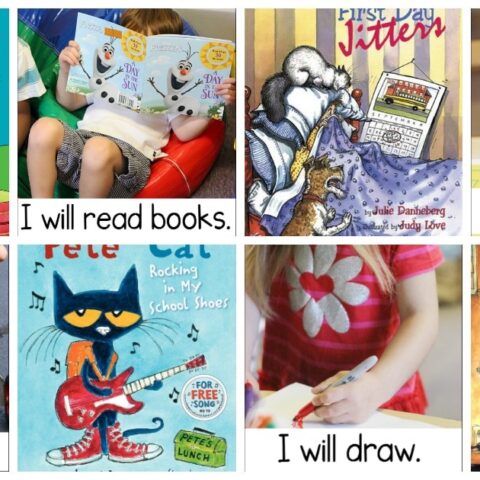
Back to School Books for Preschoolers
This simple idea is a great way to talk with your students about what to expect in preschool. This is a wonderful way to get kids to open up, ask questions, and share concerns.
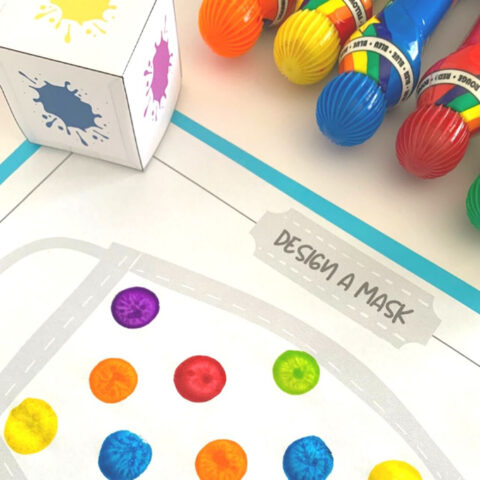
First Day of Preschool Printable Face Mask Activity
Here's a simple activity for preschoolers to do if you're still required to wear masks in the classroom. It's a great activity for students to get more comfortable wearing masks if they're not used to it.
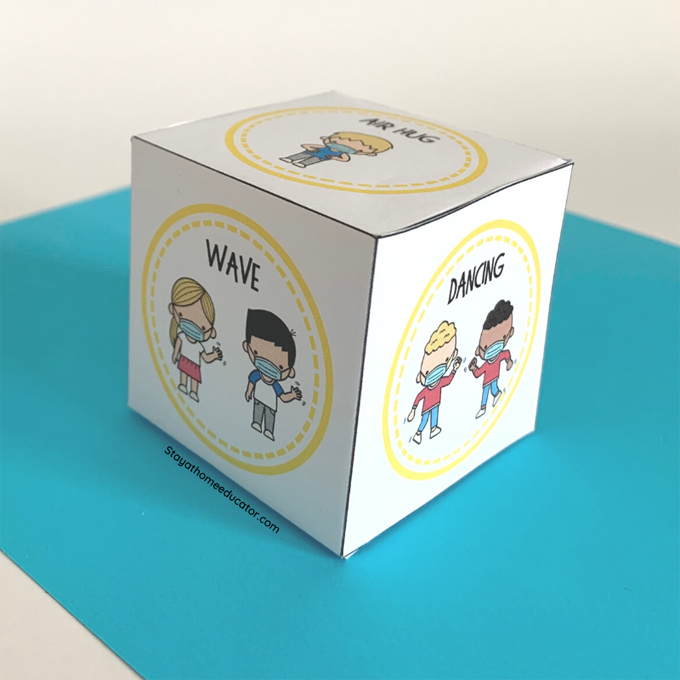
Safe Greetings Cube
This Safe Greeting Cube is a fun way for preschoolers to say hello to their friends in the classroom and for teachers to welcome students when they arrive. Just roll the cube and see what you get!
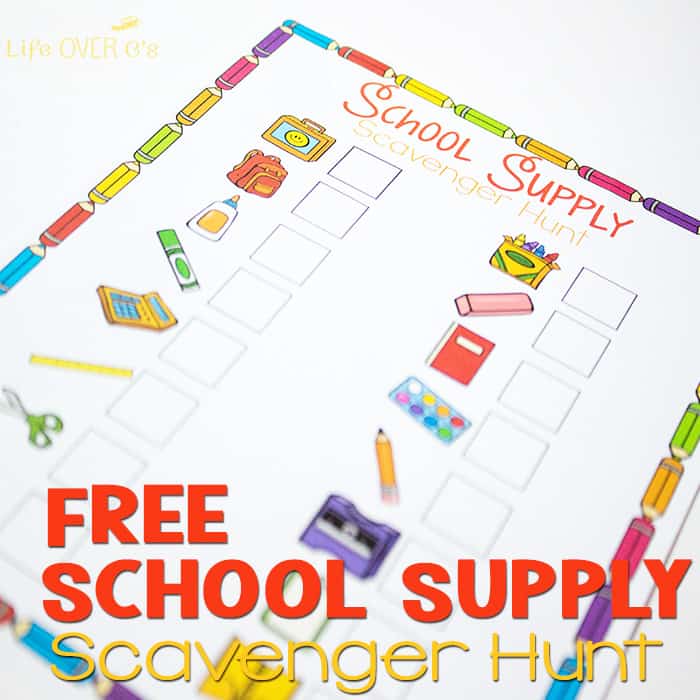
FREE Back to School Scavenger Hunt Printable
If you need to fill a little time on the first day of school, this easy back to school scavenger hunt would be a fun way for students to check their supplies.
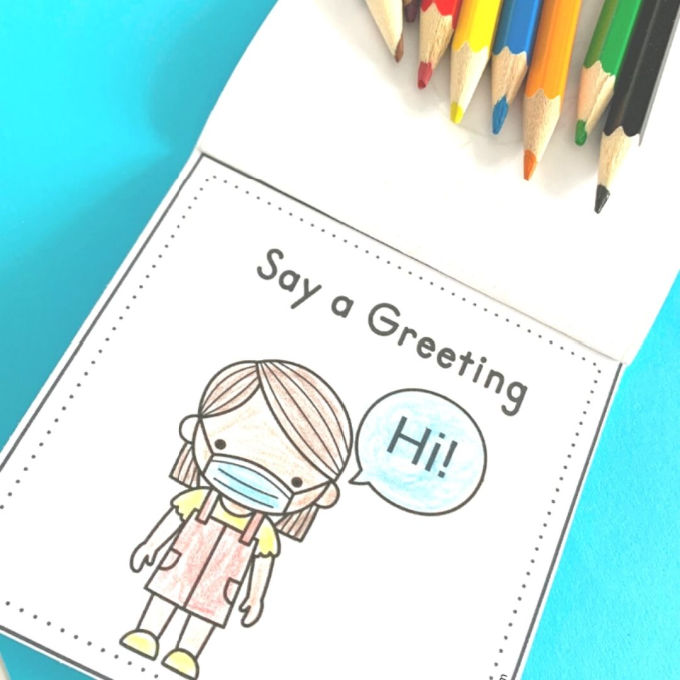
Free Safe Greetings Mini Book
This Safe Greetings mini book gives students ideas for saying hello to friends while maintaining social distance. It's a great first day of school activity!
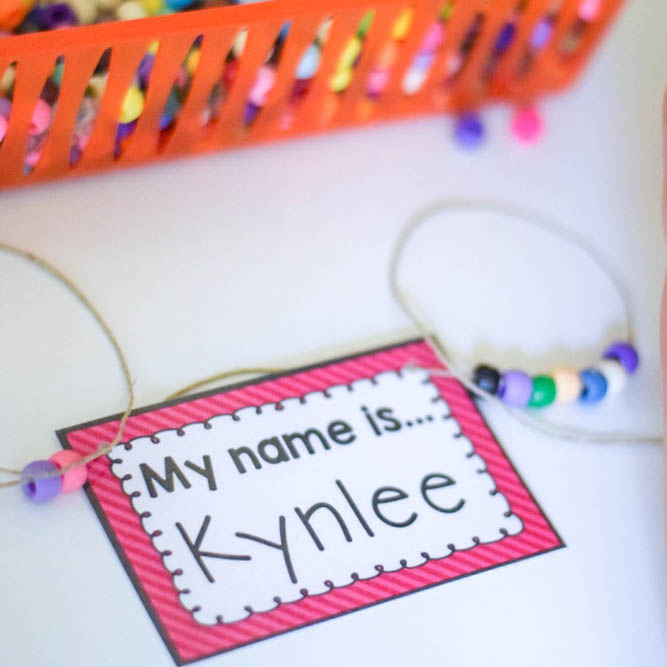
Name Tag Necklace Activity for the First Day of School
This craft is a great way for students to personalize their first day of school name tag. It's also an excellent fine motor activity for preschoolers.
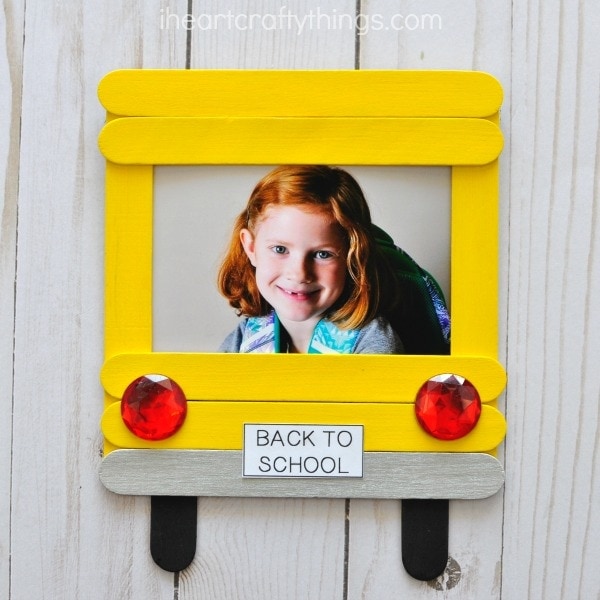
DIY Back-to-School Photo Frame
This adorable bus frame is a fantastic craft for students to make on their first day of school. It's perfect for back-to-school photos.
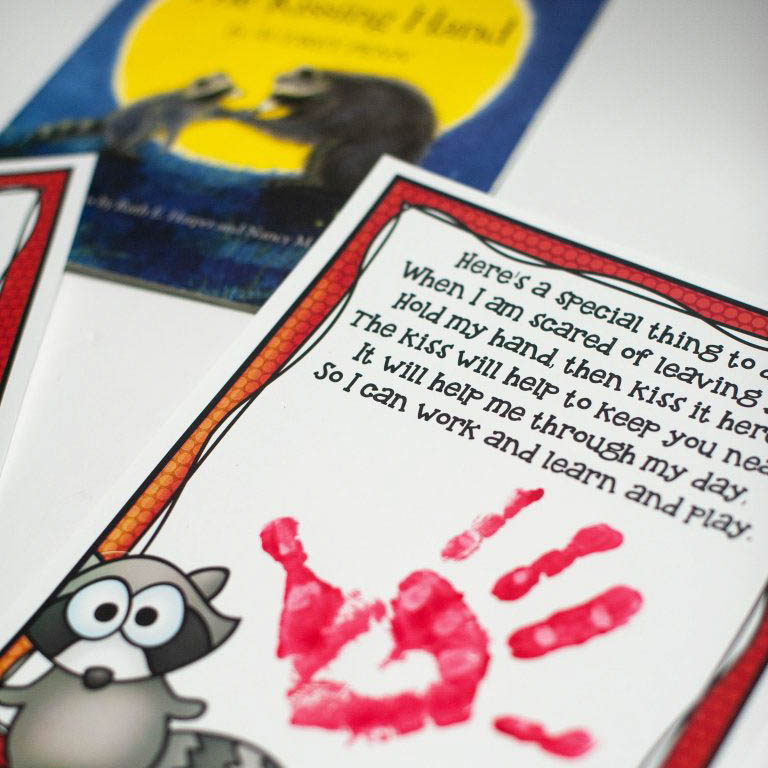
Kissing Hand Printable Activity
"The Kissing Hand" by Audrey Penn is a classic story to read on the first day of school. This is a wonderful activity that goes along with the story and helps students feel better on such an overwhelming day.
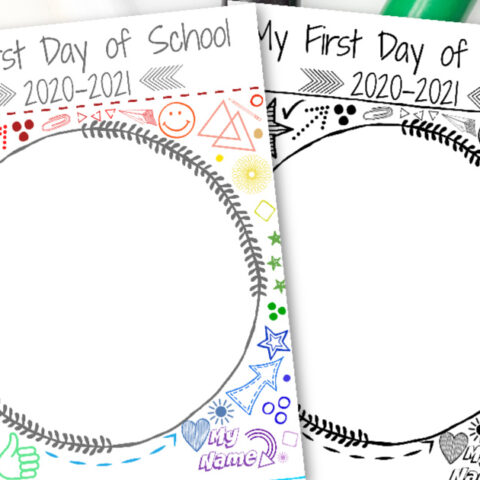
Printable First Day of School Self Portrait Worksheet
With this cool printable students can draw their self portrait. This will be a great activity for kids to look back on when they're older.
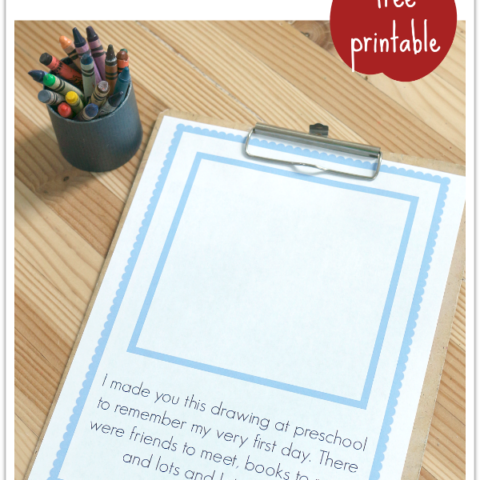
Printable First Day Of Preschool Keepsake
This simple keepsake activity commemorates the first day of school. Preschoolers can draw a picture of their favorite part about school on the printable to remember their first day.

First 10 Days of School - Lesson Plans and MORE!
The start of the school year is tough – all those routines, all those new faces! If you're feeling the back-to-school exhaustion, you're not alone. I'm sharing my tried-and-true lesson plans for those critical first ten days. Everyone's been asking for them, and now they're here to make your life easier!

Back to School Activities, Rules & Routines
Looking for hands-on, friendship-focused activities and centers for the first week of school? Then you'll love our Back to School Activities and Centers for Preschool! This unit was created and refined over my 11 years of teaching 4K. The activities are perfect for children ages 3½ to 6, revolving around friendship books, back-to-school rules, routines, and getting to know our school environment.

Fun Kissing Hand Activities for an Epic First Day of School
Starting the first day of school in Pre-K or Kindergarten can be tough for little ones, but I love to make it comforting with Kissing Hand activities. The Kissing Hand book, featuring nervous Chester Raccoon, quickly captures hearts because every child can relate to missing their mom and being nervous about school. I've made several activities to go with the book, helping make that first day memorable and a little less scary!

5 Preschool First Day Activities to Set Your Year up for Success
Is there anything more fun to plan than preschool first day activities? The first day of school is one of my favorites, but it can also be one of the most stressful days of the year! If you are looking for some first day of school preschool activities, this is the post for you!

10 Fun Back to School Activities for Kindergarten
The first days of kindergarten are a big deal, especially for little ones new to the classroom! Want to make sure your students feel comfortable and learn key skills while mastering those new rules and routines?
Picture Books for the First Day of Preschool
One of the most powerful things I do on the first day of preschool is read some picture books to my students. It seems to remind them of being in a safe place, since picture books are usually accompanied with snuggles at bedtime.
Now, I can’t snuggle each of my preschoolers while reading to them, but I can carefully hand-select just the right picture books for the first day of school.
The first week back to school doesn’t have to be stressful for anyone. These back-to-school activities and printables will help teachers get organized, finalize their lesson plans, and go into the new year with confidence!
Read this: 5 Things to Do Before Writing Preschool Lesson Plans
FAQ About the First Week of Preschool
Create a routine at home that mimics school, talk about what to expect, and offer reassurance. Encourage your child to share feelings about the new experience.
Practice simple routines at home, like morning preparations and packing a backpack, to help your child get accustomed to the preschool schedule.
Teachers can ease separation anxiety by greeting children warmly, maintaining engaging activities, and reassuring them of their parents’ return.
Start by talking positively about school and reading books about starting preschool. Practice your morning routine ahead of time to help your child know what to expect. Keep goodbyes short and cheerful to avoid drawn-out separations. Trust the teachers—they’re trained to support this transition. A consistent routine helps your child feel safe and more confident.
Expect a mix of excitement, nerves, and adjustment. Children may cry, cling, or explore confidently—it’s all normal. Teachers focus on building routines, learning names, and creating a safe, welcoming environment. The week is mostly about helping children feel comfortable and secure. Academic instruction is kept light and playful.
Start with arrival, bathroom, snack, cleanup, and dismissal routines. Use visuals, songs, and repetition to help children learn expectations. Consistency is key to helping preschoolers feel secure. Keep routines simple and practice them together multiple times. Slowly add in more steps as children grow more comfortable.
It’s okay—every child adjusts at their own pace. Allow quiet observation or modified participation. Never force a child to join in; offer gentle encouragement and choices instead. Build trust through consistent routines and warm interactions. Often, just being near the group helps children feel included over time.

I’m Sarah, an educator turned stay-at-home-mama of five! I’m the owner and creator of Stay At Home Educator, a website about intentional teaching and purposeful learning in the early childhood years. I’ve taught a range of levels, from preschool to college and a little bit of everything in between. Right now my focus is teaching my children and running a preschool from my home. Credentials include: Bachelors in Art, Masters in Curriculum and Instruction.